
GSL Gardening Services London
Tree Surgery in London
We assess trees before recommending any work. Tell us what has changed, where the tree stands and what is beneath or beside its branches.
How do you decide what tree work is needed?
We look at the tree, its surroundings and the issue you have noticed. A low branch over a path calls for a different decision from damage at the base or several branches dying back. We discuss what we can assess from the site and which work, if any, should follow.
Can you reduce the size of a tree without removing it?
A crown reduction can be considered for some trees after assessment. We look at the species, condition, existing shape and the features nearby. Tell us why you want a smaller crown, such as clearance over a roof, so we can discuss what work would address the concern.
Starting with the tree and its surroundings
Tell us what prompted the enquiry. It could be a branch rubbing against a roof, a limb above a shared path or a change you have seen after a storm. A photograph of the whole tree and a closer view from a safe position help show how the concern relates to the crown, trunk or base. Include nearby buildings, fences or overhead lines in the wider picture if relevant.
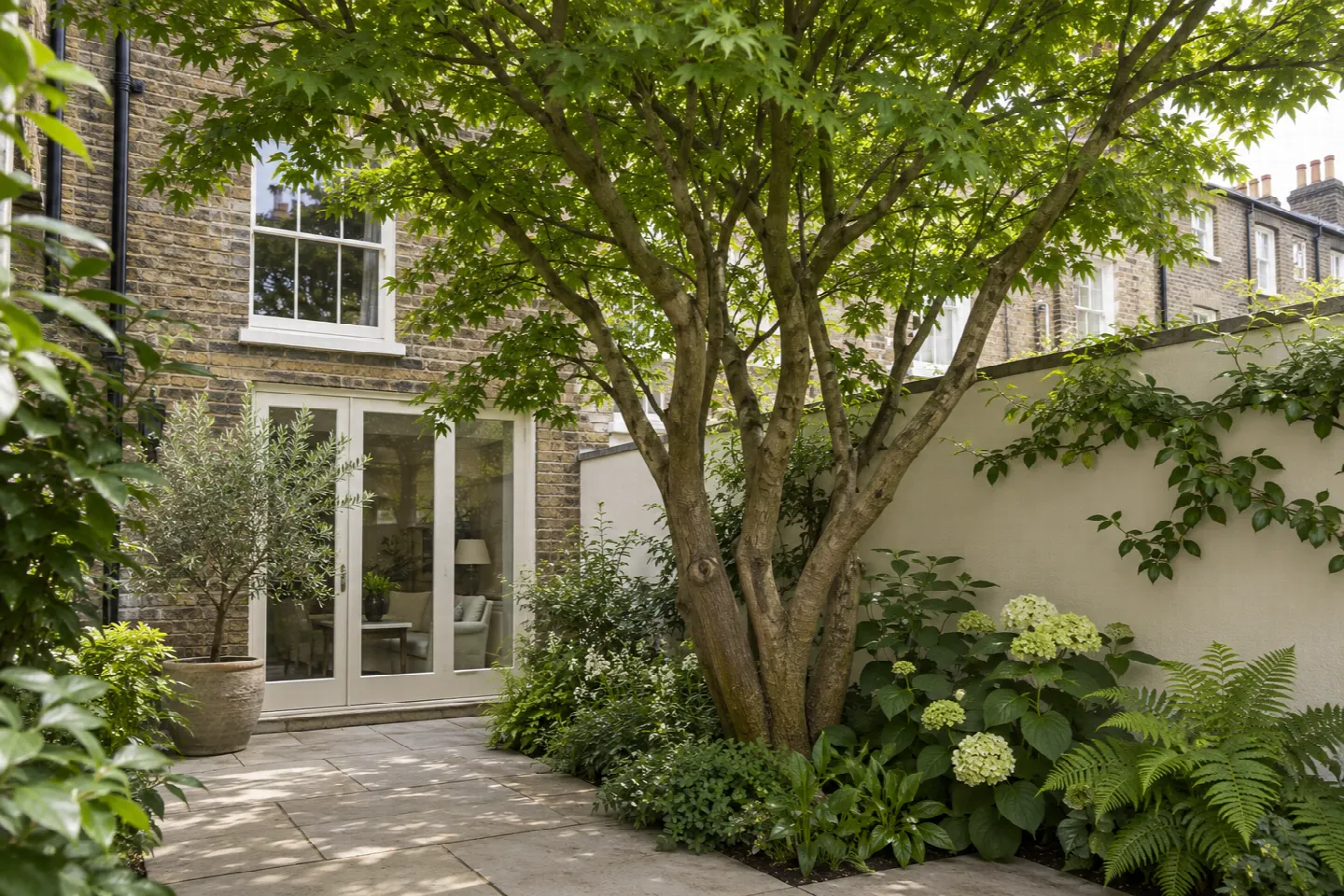
On site we look at what can be seen of the trunk, canopy and surrounding ground. A tree in a narrow garden may have grown towards the light above a wall. Another may have several stems that need to be considered together. We discuss what the tree is doing and what work would be appropriate to the concern you raised.
If you are worried that a branch might fall or the tree has moved, avoid the affected area and tell us what you have observed without trying to inspect it from beneath. Our first discussion can establish which information is available and whether a closer assessment or another route is needed before agreeing work.
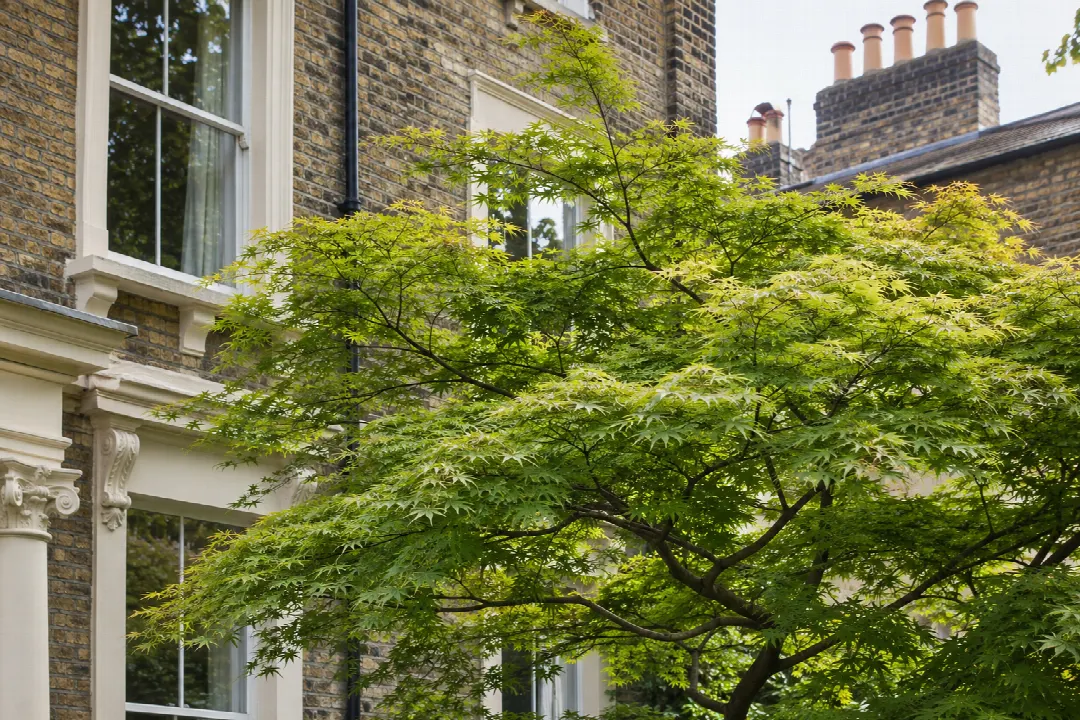
- Identify the tree and branch of concern.
- Show what lies beneath or beside the canopy.
- Tell us which gates and working areas are available.
Choosing the work
| Concern | Work to discuss | What we assess |
|---|---|---|
| Branch over a route | Selective pruning | Position and usable access |
| Dead or damaged branch | Deadwood work after inspection | Location and surroundings |
| Crowded or spreading crown | Discuss reduction or thinning | Species, condition and reason for work |
Pruning, deadwood and crown work
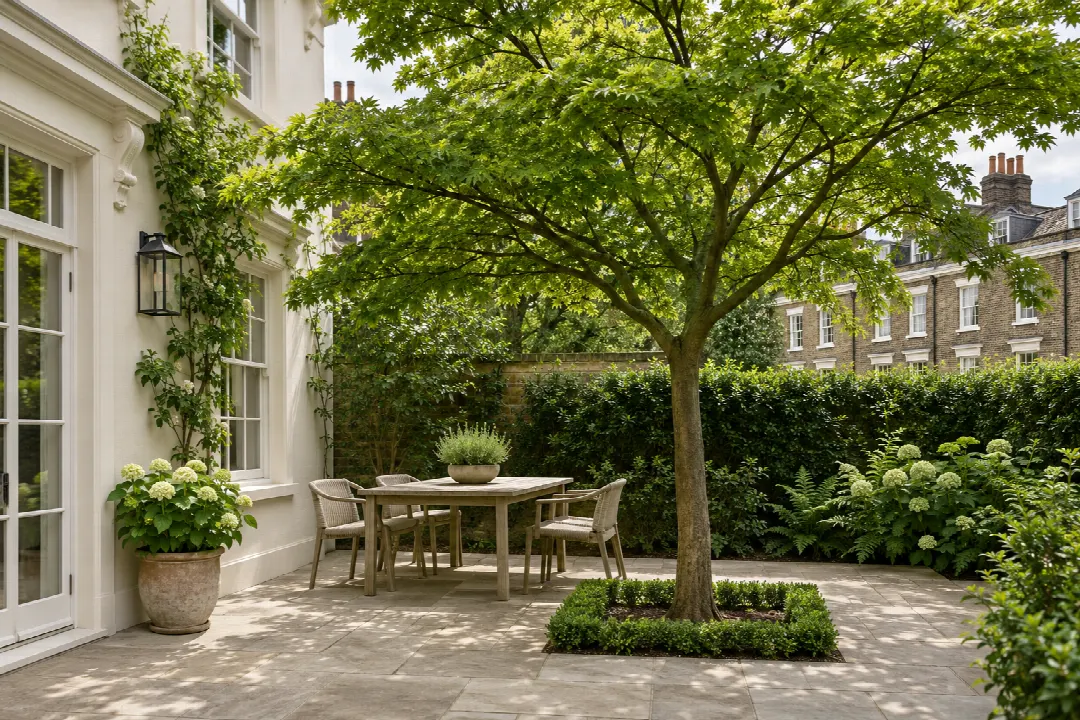
Tree pruning may involve individual branches where they are dead, damaged or causing a specific obstruction. We consider how much live growth to retain and how the proposed work relates to the natural shape of the tree. A single branch near a doorway is a different job from work distributed around a large crown. We agree which parts should be addressed before the visit.
Crown reduction reduces the extent of the canopy. Crown thinning considers selected growth within it. We discuss what you hope to achieve, such as a clearer route or less growth close to a building, because the method depends on the tree and the concern. We can explain the expected change so you know what you are approving.
Shrubs and low garden hedges may belong with garden maintenance instead. If several plants are involved, send photos of each. We can identify which jobs may be handled during ordinary gardening and which should be discussed as separate tree work, with appropriate access and equipment.
Site access
| Feature | Information to send | Reason |
|---|---|---|
| Close to a building | Photo of the whole tree and roofline | Branch positions and working space |
| Narrow entrance | Width and any steps | Moving equipment and material |
| Shared boundary | Where access is available | Planning the area needed for the job |
Access, boundaries and booking the work
Tree work needs space to reach the tree and handle the branches. A rear garden may be accessible only through a house, down steps or along a route shared with neighbours. We consider the width of the gate and where the cut material can be gathered. Tell us about fragile surfaces, garden rooms, sheds and areas that need to remain available.
Let us know if the tree is on or close to a boundary and if any work would involve land outside your property. Mention known protections, restrictions or ongoing discussions about ownership before a date is set. We can discuss what needs to be established before carrying out the agreed work.
At the appointment we confirm the work area and what can stay in place. Children, pets and other people should be kept away from the area while it is being worked on. We choose a method suited to the tree, the position of its branches and the available access. Changes in weather or site conditions can affect when particular work can go ahead.
Handling cut material
| Material | Arrangement | Confirm in advance |
|---|---|---|
| Small branches | Gather for agreed handling | Volume and route out |
| Larger wood | Leave agreed pieces or arrange collection | Size and where it can be placed |
| Stump or roots | Discuss separately | What you plan for that area afterwards |
Removal and what happens to the material
Where removal is being considered, we discuss why it is needed and whether a smaller intervention is appropriate. A tree close to a fence, roof or paved area has different constraints from one in an open garden. The size of the tree, the position of the branches and the route out influence the work and how long it may take.
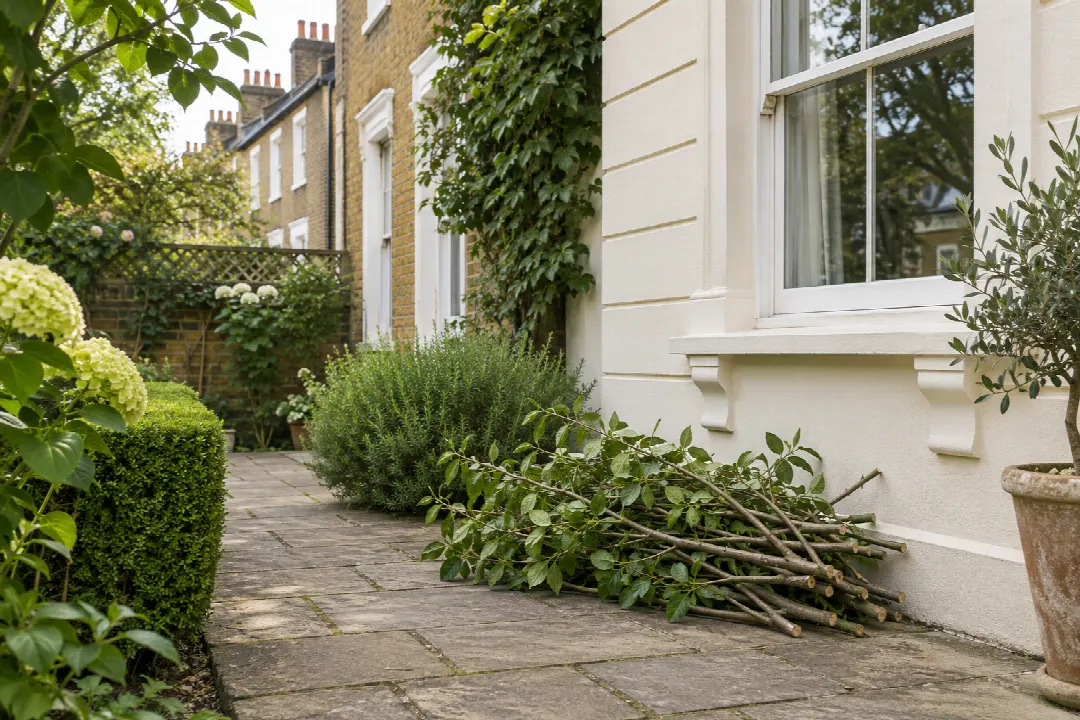
We agree how to handle the cut material before the work. Branches and larger pieces of wood have different handling needs. Some customers want suitable pieces left in an agreed place. Others want the material taken away. Tell us what should happen to any existing piles and whether the route has steps or a narrow turn.
Work on the stump, changes to the surface around the tree or new planting are discussed separately. If a tree is coming out before a wider garden project, we can talk through how the site will be left and which tasks need to happen before new planting or landscaping can be planned.
Tree surgery prices
| Work | Price | Pricing basis |
|---|---|---|
| Assessment | Request a quote | Per visit if separately agreed |
| Pruning or crown work | Request a quote | Per tree or job after assessment |
| Removal | Request a quote | Per job. Wood collection and stump work agreed separately |
Quotes and looking after the site afterwards
We price after we understand the work, access and material involved. Send the postcode, photos and a description of the outcome you want. A pruning job on a small tree and work on a tall tree over an extension cannot be compared simply by the amount of branch growth. The quote should set out which tree and which work it covers.
The amount of waste, the working position and whether there are several trees can influence the price. If an assessment, follow-up or stump work is wanted, ask us to set that out alongside the main job. We can also discuss which ground-level jobs can be arranged separately, such as clearing existing garden growth.
After work, we explain which areas have been addressed and anything that may need later attention. A follow-up can be useful if a tree is being managed in stages or if a condition needs monitoring. Tell us if you plan to make changes around the tree, such as new paving or digging near it, so we can consider that in the discussion.
Planning around the space below the canopy
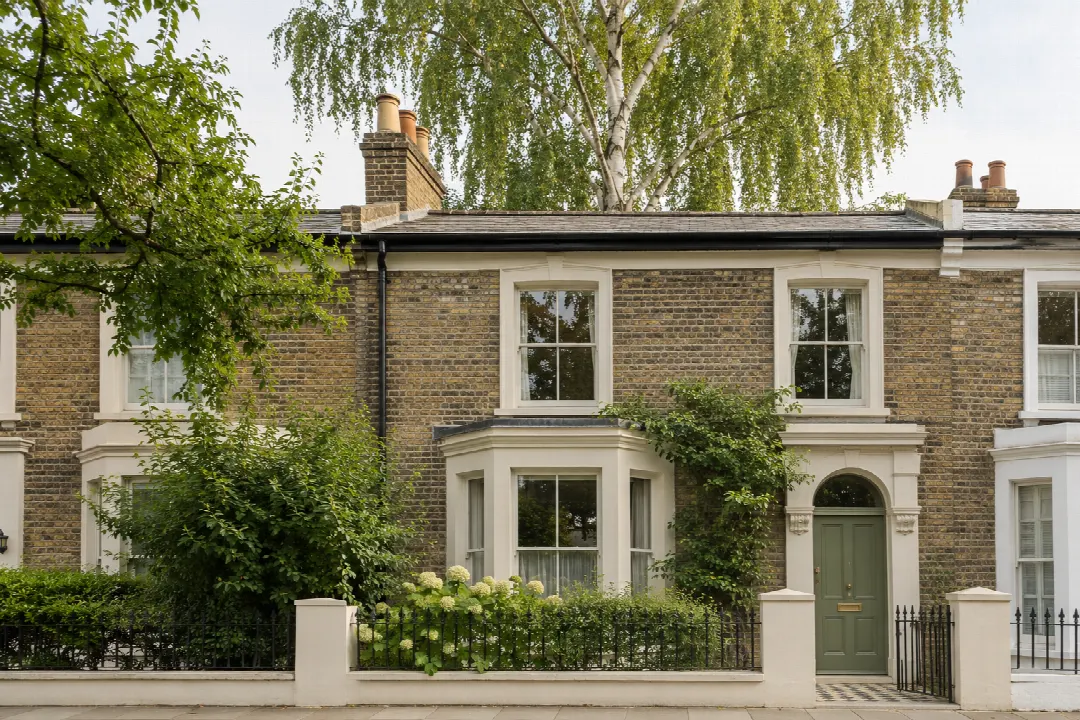
Even when the work is high in the crown, what lies below affects the plan. A branch may extend over a shed, planted bed or an area that has to remain available at certain times. Tell us which buildings and paths are under it. If there is a useful view from a different side of the garden, include that in your photographs so we can see how much space there is.
Where access is shared, it helps to know who manages it and when the space is busiest. We can discuss timing and which areas need to be kept clear during the appointment. If the work has to be split across visits, we can explain which part is being dealt with first and what access will be needed again.
Frequently asked questions
Can you look at more than one tree?
Yes. Number the trees in your photographs or show them on a simple sketch so we can keep the concerns and quote items distinct.
Can you prune a fruit tree?
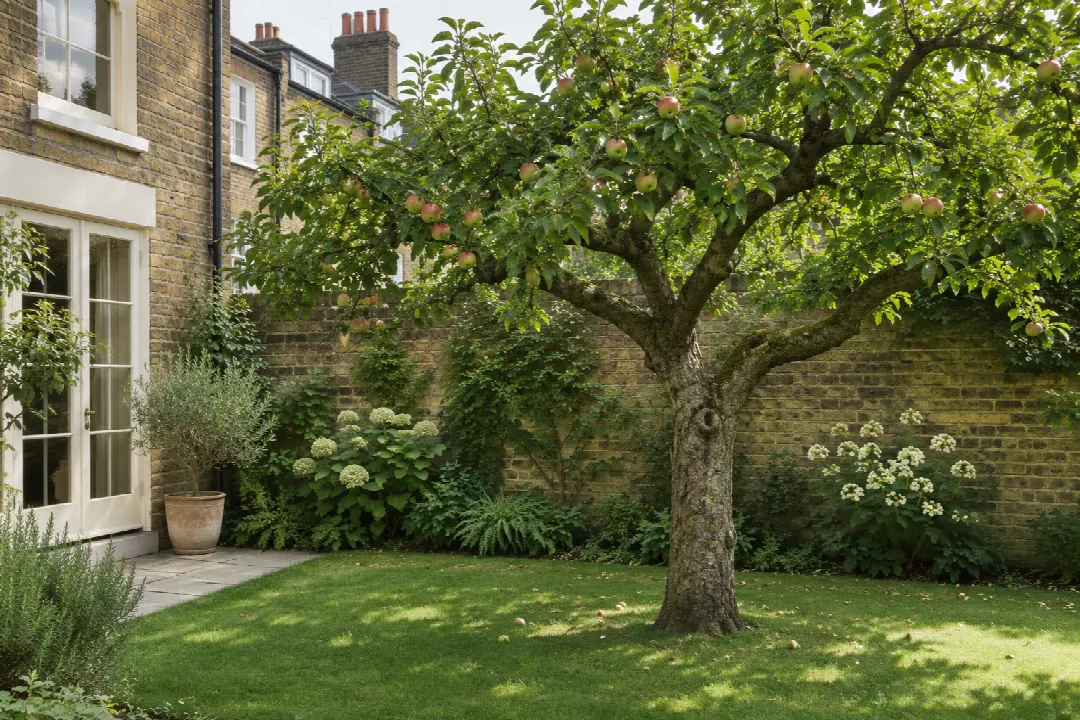
Tell us the species, approximate size and why you want it pruned. We can discuss suitable timing and whether the work is best booked as garden maintenance or tree work.
What if there is a branch over a neighbour’s roof?
Tell us where the branch is and what access is available. We can discuss what needs arranging with the neighbour before planning the job.
Can you work on a tree that is leaning?
A lean needs to be assessed in context. Tell us if the position has changed recently or if the ground near the base appears to have moved.
Can you leave some wood for me?
Ask before the work. We can agree which pieces can stay and where they can be left clear of paths and gates.
Talk to us about your tree
Send your postcode and a few details about the work. We can discuss access, the work you need and the next available visit.