
GSL Gardening Services London
Lawn Mowing and Lawn Care in London
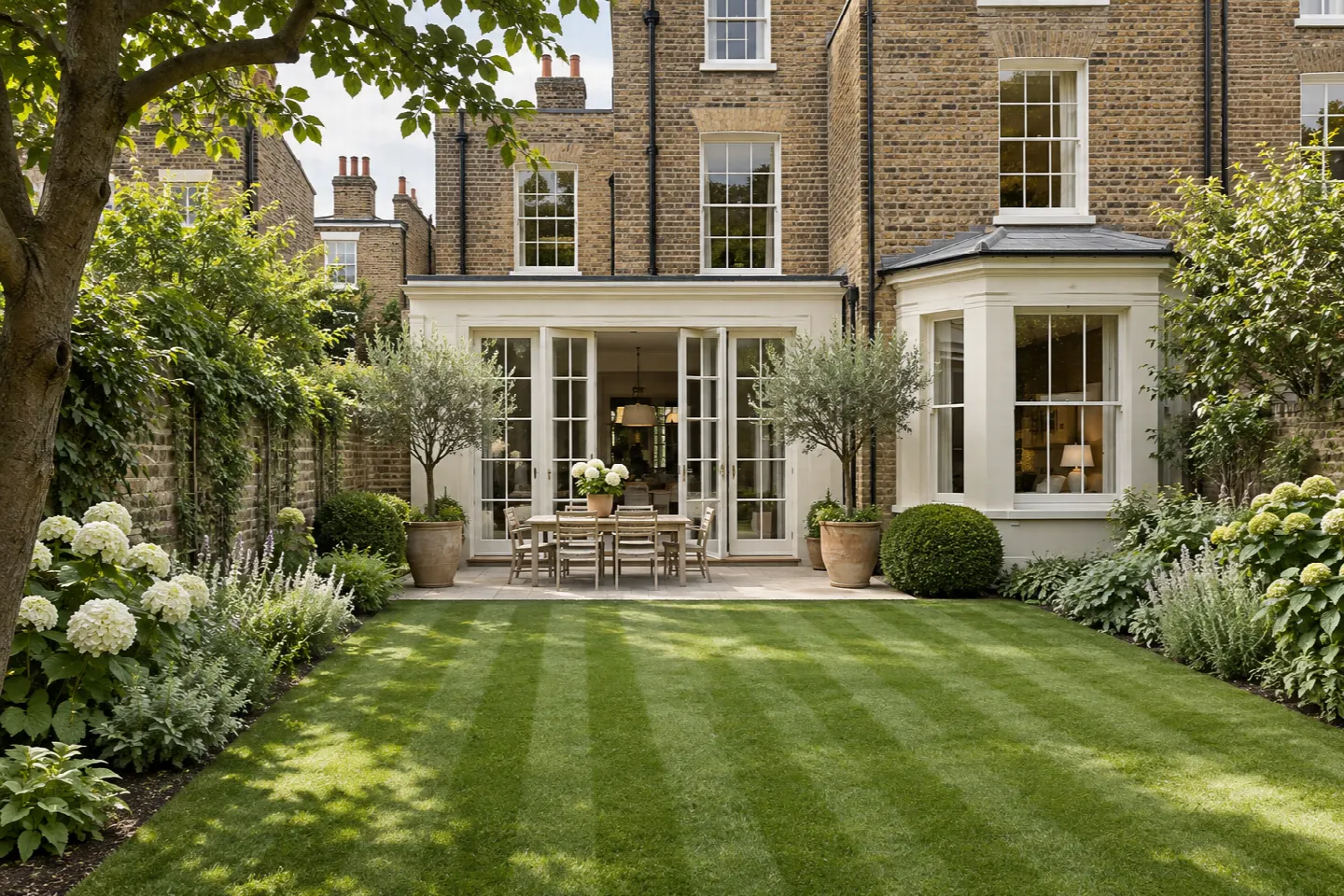
We mow, edge and look after London lawns. Book a cut for a small front garden, plan regular mowing or ask us to look at grass that has become patchy or overgrown.
What does a lawn mowing visit cover?
We cut the agreed areas, tidy accessible edges and collect clippings as arranged. Tell us if the lawn is long, wet or uneven, or if a strip needs leaving uncut. A first cut may need more time than a repeat visit, especially when old grass hides the edges.
Can you help with bare patches as well as mowing?
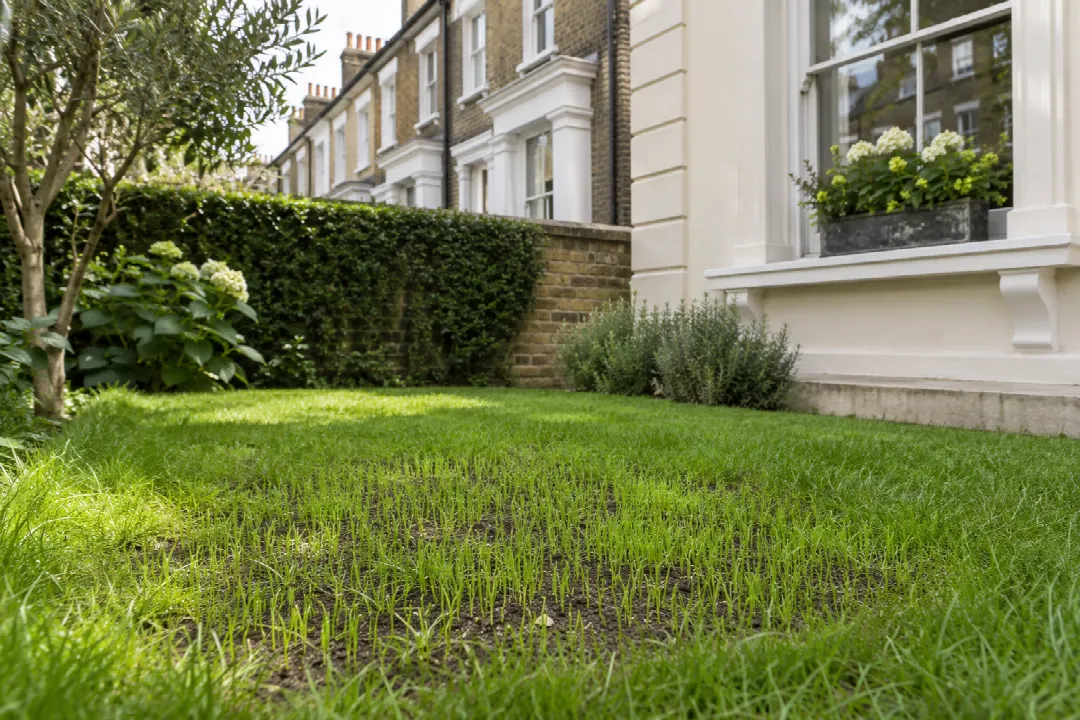
Yes. We can look at how much grass is left, what the ground is like and why the patch keeps wearing away. We can then discuss overseeding, local repair or turfing where appropriate. Seed, turf and preparation are agreed separately from an ordinary mowing visit.
Grass cutting and clean edges
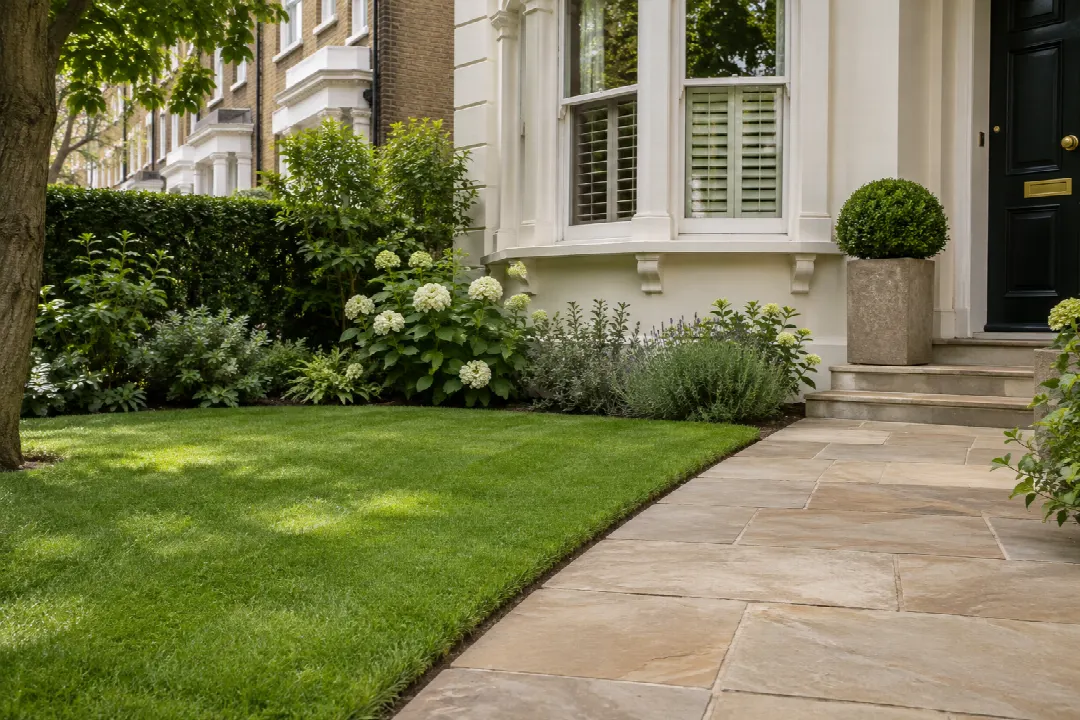
Our first job is to see where the lawn starts and ends. In a small front garden that may be a short edge by the pavement and a bed running up to the bay window. In a long back garden we might have separate areas around a shed, tree or play space. We ask which strips to cut and whether there are bulbs or sections you want left to grow.
We choose a cut that suits the height and condition of the grass. A lawn we have been mowing regularly often needs one pass. Long or lodged grass can require a staged cut, with thicker clippings gathered before we can make an even pass. Near walls, posts and beds we use edging or trimming tools where the mower cannot reach. We agree how close we should work around young trees, planters and other features.
Once the main cut is finished we check the edges and tidy the areas affected by the work. A clean finish also means a clear path to the back door. If you have a particularly narrow side return, send a photograph before booking. The width of the gate can determine which mower we can bring, even if the lawn itself is large.
- Send one photo from each end of the lawn.
- Show gates, slopes and changes of level.
- Point out grass or planting you want left uncut.
What a cut can include
| Area | Work | What affects the visit |
|---|---|---|
| Open lawn | Mow the accessible surface | Grass height, slope and obstacles |
| Edges | Trim along beds and paving | Length and condition of the boundary |
| Separate front strip | Cut and tidy around the entrance | Access from the street and parked vehicles |
A first cut after a gap
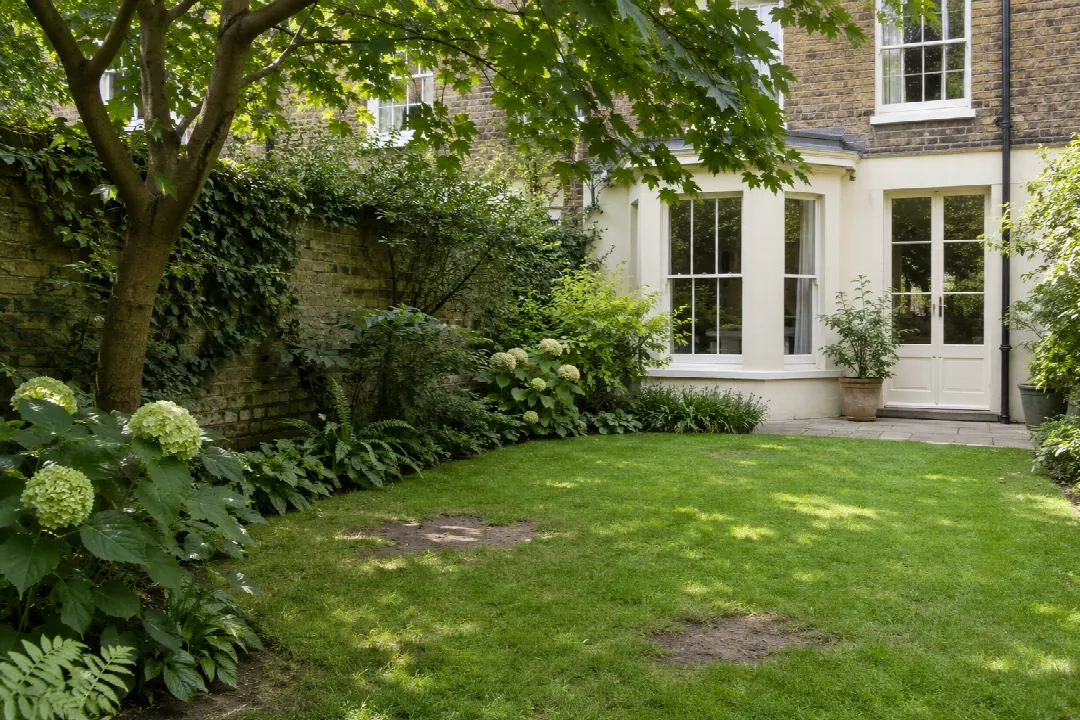
A lawn that has gone several weeks without a cut can hide holes, old stakes and edging. We look over the ground before using machinery and make a note of anything that could affect the work. If you know about a damaged cover, cables or stones concealed in the grass, tell us before the visit. Move loose toys and small furniture where you can so we can see what we are working with.
On the first visit we may shorten the grass gradually. That leaves a more usable surface without cutting right down into weak or yellow growth in one go. Heavy cuttings can need bagging, even where the lawn is modest in size. We will explain whether a later visit makes sense for a closer cut and to finish edges that were difficult to find at the start.
If brambles and woody weeds have grown across the grass, a cut alone may leave most of the problem in place. We can discuss a garden clearance to reopen the ground first. Once the area is accessible we can assess which parts remain lawn and which may need repair.
From first cut to repeat mowing
| Lawn condition | First appointment | After the first appointment |
|---|---|---|
| Short and in use | Cut at a suitable height and tidy edges | Agree a frequency if you want regular cuts |
| Long or flattened | Work in passes and collect heavier cuttings | Check if a second cut is useful |
| Soft or waterlogged | Assess which areas can be reached safely | Move the cut if the ground is unsuitable |
Regular mowing for different London gardens
A lawn does not grow at a steady rate all year. We can discuss a starting frequency and adjust the visit when growth speeds up or slows down. In a sheltered back garden the centre may dry quickly while the strip along a shaded fence stays soft. We consider both when deciding whether we can mow without damaging the surface.
When mowing forms part of regular garden maintenance, tell us how much of the visit you want to spend on the lawn. We can combine a cut with edging, light bed work or collecting leaves where the time allows. If the borders are the priority on a particular visit, agree that in advance so we can bring the right tools and plan the order.
Shared lawns and rental gardens can involve different access arrangements. Let us know who will open gates and which routes need to remain in use. We can also discuss front and back lawns in the same appointment, with the highest priority clear from the outset.
Repairs and seasonal work
| Problem | Work to discuss | When it may need more attention |
|---|---|---|
| Bare patch | Prepare and overseed locally | Where the route remains in heavy use |
| Thin grass under trees | Review light and conditions before repairing | Where the ground stays shaded for much of the day |
| Worn edge | Define the boundary and assess damaged turf | Where people frequently step across the bed |
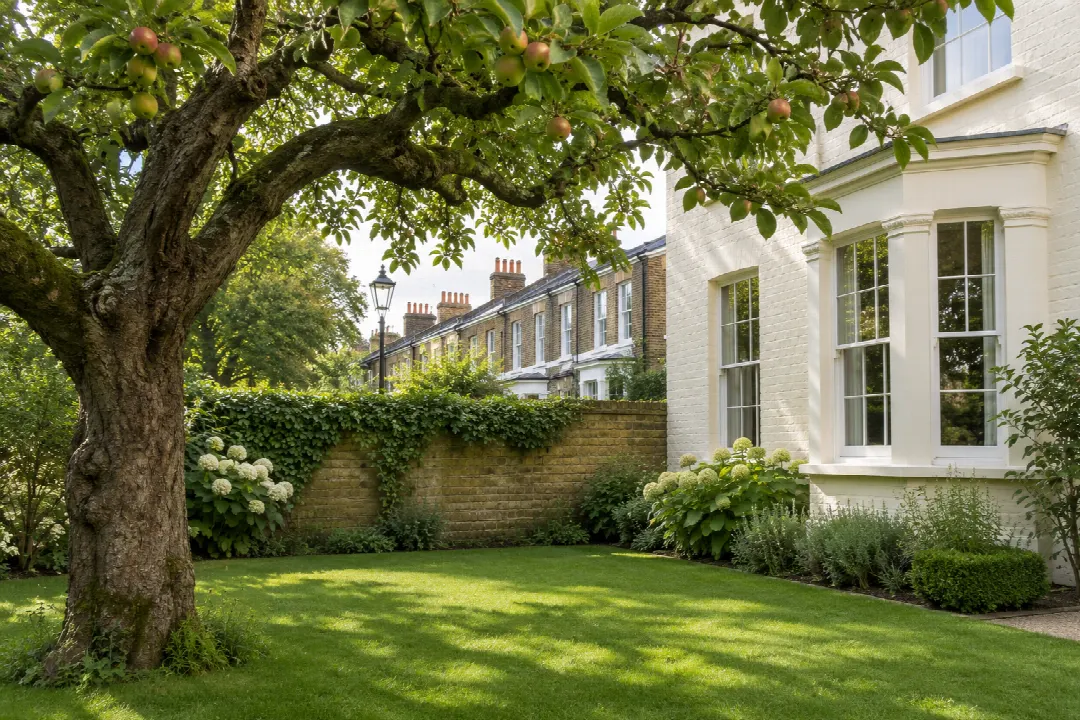
Worn, shaded or uneven grass
Bare areas by a gate or washing line often need different attention from a patch under a tree. We look at where people walk, how quickly the surface drains and how much light reaches it. If the same route takes daily foot traffic, a repair may need a change in how that patch is used while the grass establishes. Where a section has very little light, another treatment or a different surface may suit the garden better.
A lawn can be thin because of mowing height, dry conditions, compaction, surface debris or a combination of these. We can talk through which work should come first, including local preparation and overseeding when suitable. If the surface needs a bigger change, such as a new edge or a route through the planting, our garden design service can discuss that separately.
We agree what materials are needed before repair work goes ahead. New seed and turf need aftercare, so let us know whether someone will be around to water and avoid using the area. We can discuss a follow-up cut at an appropriate stage rather than booking it for the same interval as established grass.
Lawn mowing prices
| Work | Starting price | Basis and extras |
|---|---|---|
| Small maintained lawn | From £35 | Per cut. Confirm size, edging and clippings |
| Long grass or several lawns | Request a quote | Per visit after condition and access are checked |
| Patch repair | Request a quote | Per agreed repair. Seed, turf and preparation affect cost |
How we price a cut and handle the clippings
We ask for approximate dimensions, current grass height and an idea of the route from the street. A photograph from each end of the lawn shows slopes, stepping stones and broken-up sections that a single measurement can miss. If you want both lawns cut, send information about both. We confirm whether edging, leaf collection or other tasks are included in the agreed work.
Clippings from routine mowing are usually easier to handle than long wet grass from a first cut. Tell us if you have a garden waste bin or compost area and how much space is available. If material needs taking away, we discuss the quantity, the route out and any charge before the visit. Existing piles of grass, soil or rubble should be identified separately.
We price repairs after we know the affected area, how much ground preparation is needed and which materials are suitable. A patch near a step may be a small local job, while a tired lawn with recurring drainage problems can need a separate assessment. The first quote should explain whether it covers mowing, repair or both.
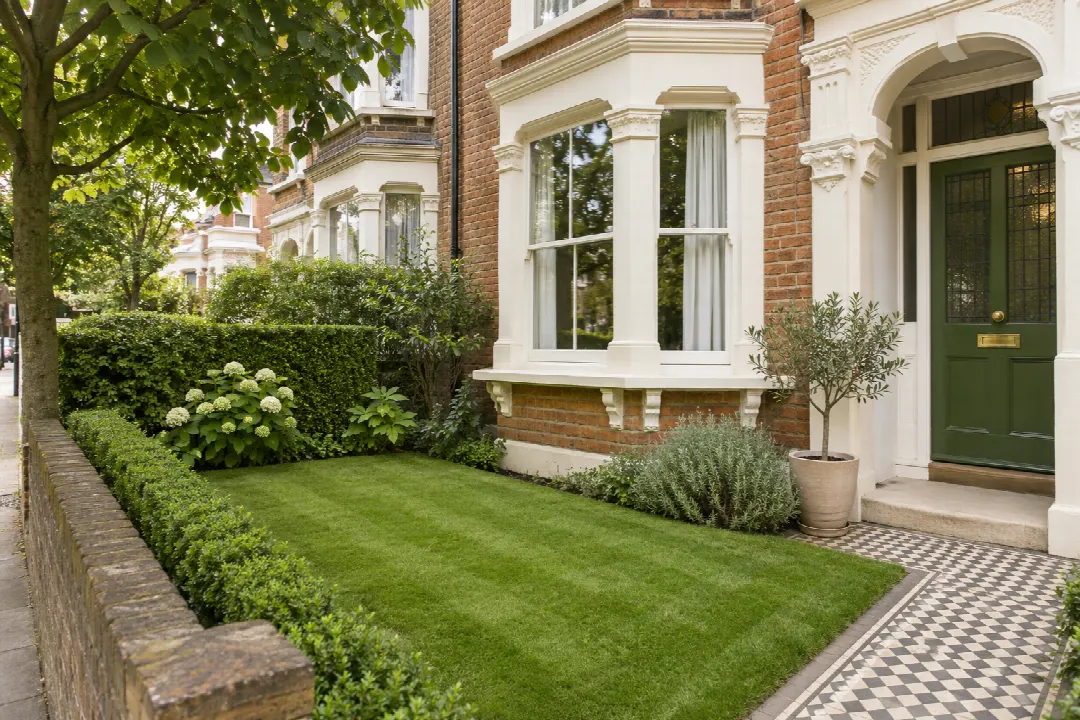
Before we bring a mower through the gate
Photographs are most helpful when they show the obstacles at mowing height. A stone edging flush with the grass can often be approached differently from a raised border or a wall. If the lawn is divided by steps or a narrow connection, show both parts. We may need to work on them separately even though they share the same garden.
Let us know if the lawn is used for play, exercise or access to a building. That can affect when a repair is worthwhile and how long an area can stay out of use. Tell us about recently laid turf or a seeded area before the visit. We can then agree where to cut and what to leave until it has established.
Frequently asked questions
Can you leave a strip for wildflowers?
Yes. Mark the edges of the area before we start or send a photograph showing where regular mowing should stop.
Do you mow grass around a trampoline?
Tell us the size and position beforehand. We can agree how much of the grass can be reached and whether you need to move the equipment before the visit.
Can you do just the front lawn?
Yes. Give us the approximate area and let us know if there is a shared path or vehicles to work around.
Will you cut a sloping lawn?
Send photographs showing the slope from the side and the entrance. We can assess what equipment and access would suit the work.
When can a newly seeded patch be cut?
We check how well the grass has established and discuss the first cut before setting a regular mowing date.
Talk to us about your lawn
Send your postcode and a few details about the work. We can discuss access, the work you need and the next available visit.