
GSL Gardening Services London
Gardeners in Enfield
If you have taken on a garden you are still getting to know, we can help you make it usable. Tell us what you have found so far and which parts you want to see more clearly.
Can we book a first tidy while we are still deciding what to do with the garden?
Yes. We can agree a limited first visit focused on opening a route, cutting reachable grass or clearing obvious weeds around established plants. Tell us which areas you would prefer left alone. Once you can see the boundaries and the condition of the garden, you can decide what to do next.
What should we tell you about an older garden when we have just moved in?
Send photographs showing the path from the house, any gate and the areas you have not yet been able to reach. Point out known fixtures and anything you recognise in the planting. If there are old cuttings or items already on site, describe those separately so we can discuss the handling needed.
Give the first visit a purpose
If you have recently moved in, you may know which part of the garden you want to use without knowing what is in every bed. We ask what needs to be possible after the first visit. You may want to reach a shed, sit outside the back door or see where the lawn used to meet the planting. We can organise the work around that result and talk through what needs a separate decision.
Before we arrive, identify the entrance we should use and the routes that need to stay open. If the garden is accessed through the house, show us the door and any steps or tight points. If you are waiting for other work to happen at the property, let us know where equipment can be set down and what will be in use at the same time. That gives us a better idea of which tasks can fit the first visit.
We can work from the accessible area towards the sections you want uncovered. If the growth is heavy across several parts of the garden, ask about garden clearance. Tell us if there are pieces of edging, low paths or planted areas you want us to look out for. A short description of what you would like to keep can be more useful than a full list of plants.
See what can be kept in established beds
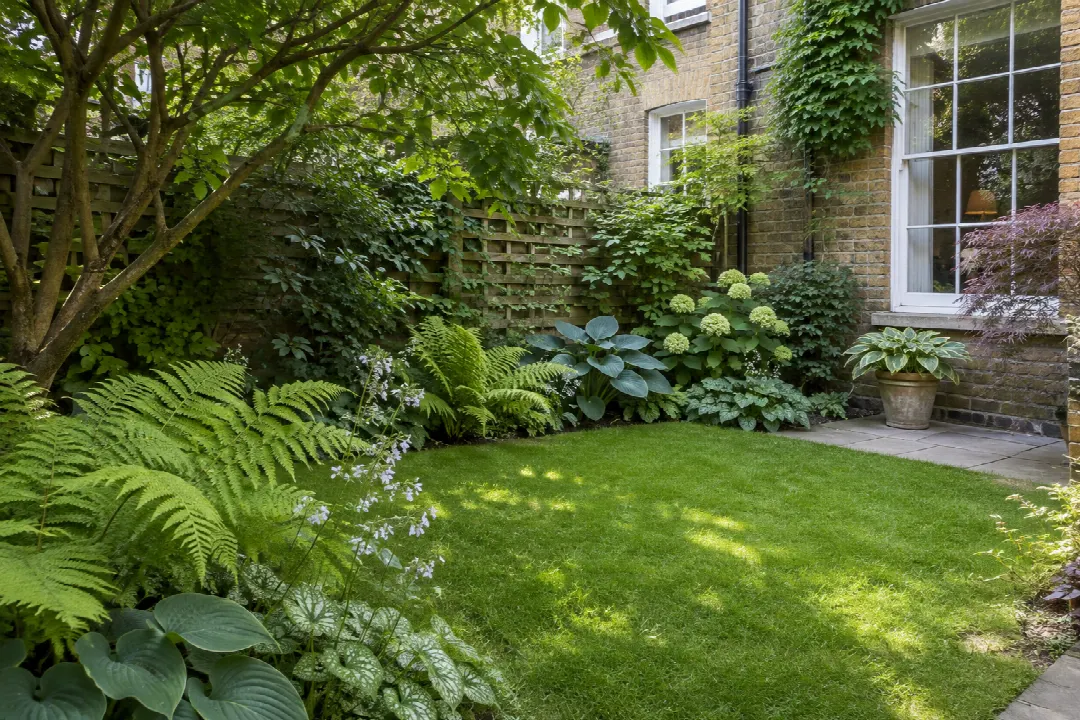
Planting can be difficult to identify when stems are mixed with older growth. We can clear obvious weeds and loose material around the plants you recognise. If a plant is dormant, damaged or hard to distinguish, we can leave it and discuss whether to return once it is easier to identify. A marker or a photograph from an earlier season can help when you want a particular area protected.
We ask what you want from the larger shrubs before we prune. One plant may keep the garden private, while another is growing across a route you would like to use. We can look at which stems are suitable to take back and whether the work should be done in stages. Tell us if you would like to see how a shrub flowers before deciding whether it needs more substantial work.
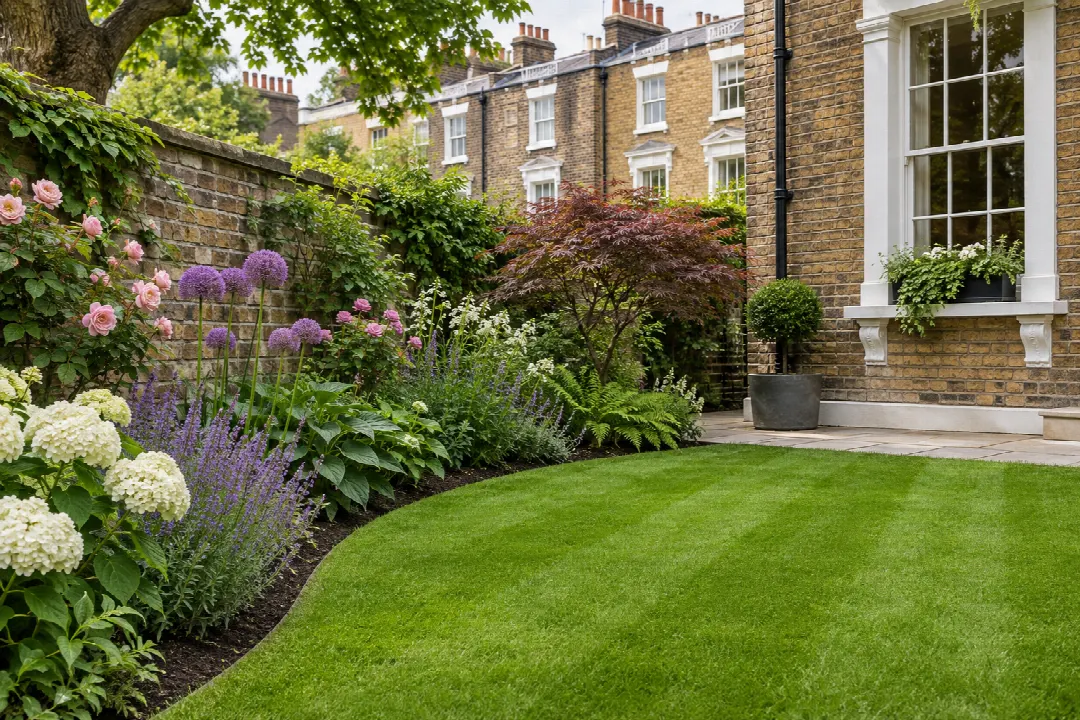
Once you can see the bed edge, you may want to keep the existing shape or discuss changes. A garden that looked crowded from the doorway can have room for planting once the loose growth is out. Our garden design service can help you look at the layout, retained planting and how you want to use the space before planning new work.
Give the first tidy a manageable outcome
| What you want to use | Starting job | What to tell us |
|---|---|---|
| Route to an outbuilding | Open the reachable path | Where the doorway and any steps are |
| Lawn beside the house | Find the edge and cut accessible grass | What may be hidden under the growth |
| Bed seen from the doorway | Remove loose material and obvious weeds | Plants and covers you want left |
Decide what to preserve while the garden opens up
| What we uncover | What to discuss | When to reconsider |
|---|---|---|
| Older shrub beside a path | Which stems can be trimmed from the route | After seeing how much screening remains |
| Planting hidden under spent growth | Weed around identifiable crowns | Once uncertain plants show more clearly |
| Hard edge below long grass | Reveal the accessible part of the margin | When deciding whether to keep the existing layout |
Established planting, uncovered routes and useful lawns
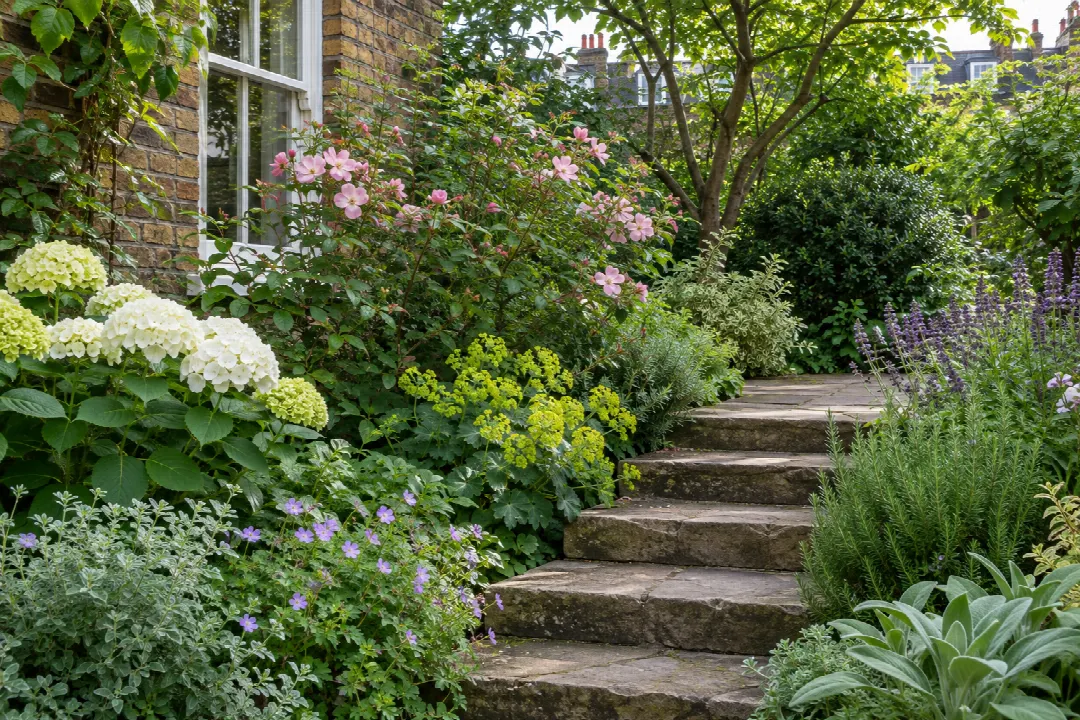
Make the lawn visible and agree what a further cut could do
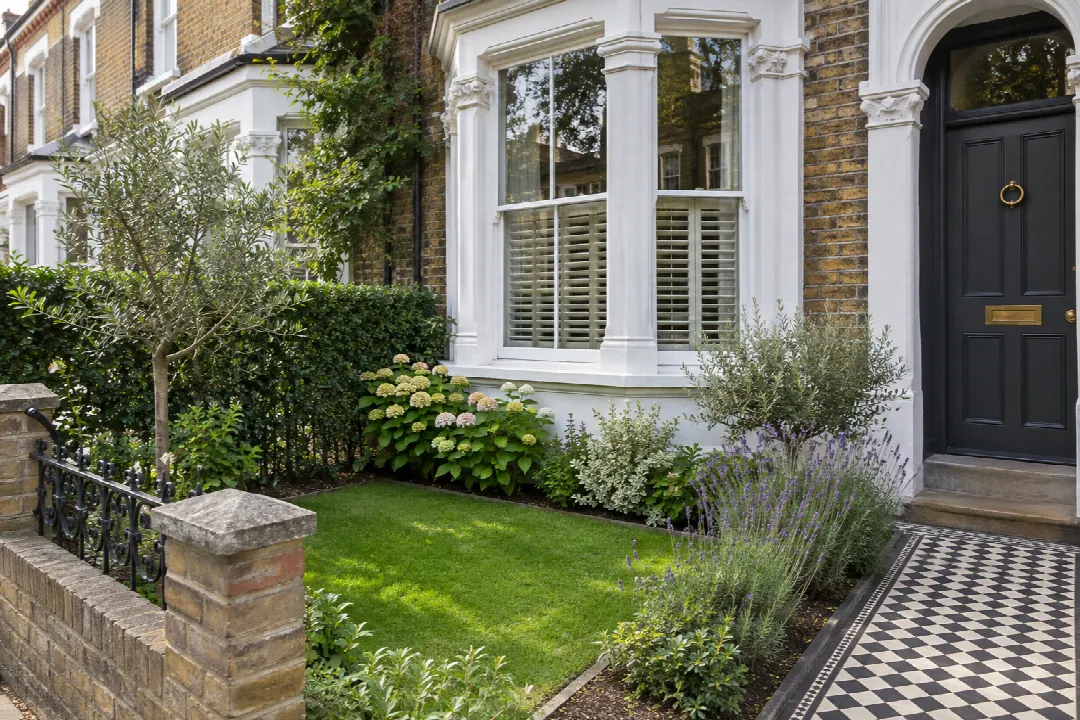
We look for low fixtures, hard edges and changes in level before cutting reachable grass. If the grass is very long, the first cut may need to be done in stages. We can assess how firm the ground is and which part can be worked across. Tell us where you think a bed or path meets the grass, even if you cannot currently see the line.
After cutting, we can tidy accessible margins and gather the agreed clippings. You may find there are bare patches where a route used to cross the grass, or a shaded area that grows less strongly. We can discuss lawn mowing and further lawn care once the surface is visible. Tell us whether you want to keep the lawn for everyday use or leave some areas longer while you decide on the layout.
We can also consider whether hedge growth or a shrub is reducing room around the lawn. If the hedge needs a separate visit, we can still check how much space is required for the mower and which side can be reached. Once the garden is easier to move around, the ordinary cut and edge work can be planned more reliably.
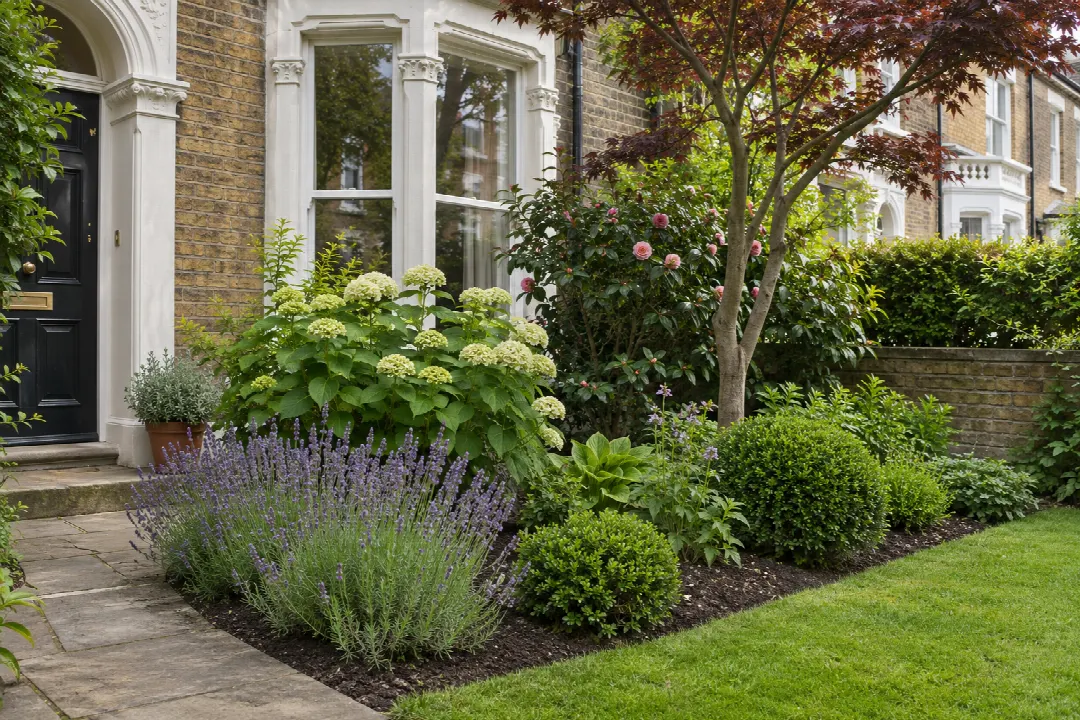
Sort fresh growth from the material already there
Tell us if the garden contains old bags, timber, pots or areas of stacked material. We can discuss fresh grass, leaves and trimmings separately from items that may need different handling. If something is uncovered that changes the work, we can stop in that part of the garden and check what you want to do. This can also give you time to identify any pieces you want to reuse.
We agree whether suitable green material can be left in a bin or compost area, or whether collection is needed. Let us know how much room there is and where the route to the collection point runs. In the autumn we can give priority to leaves on the paths while keeping a section of planting undisturbed if that is what you want. During active growth, the work may focus more on the edges and weeding.
Use the first cut to plan any further lawn work
| Condition | Possible first step | Useful later decision |
|---|---|---|
| Grass hiding an edge | Locate the margin and reduce the height | Which line should be maintained |
| Thin grass below larger plants | Cut usable areas and check the ground | Whether local lawn work is appropriate |
| Uncertain fixture under growth | Mark the area and work around it | When it can be safely included |
Check what the first quote includes
| Factor | Useful information | Why it matters |
|---|---|---|
| Existing material on site | Type, location and approximate amount | Which handling needs another arrangement |
| Route for the tools | Gate width, steps or turns | What equipment can reach the area |
| Intended result | Area you want usable at the end | Order of the work and time to allow |
Decide what the garden needs after the initial work
Once the garden is accessible, you may be able to see what is worth keeping, what needs more time and what can be handled on a repeat visit. A regular cut might be enough for one part, while a deeper bed needs separate time for hand weeding and pruning. Ask about garden maintenance if you would like us to keep certain areas usable while you plan changes elsewhere.
The quote for a first tidy depends on the amount of growth, the work agreed and how we can reach it. Photographs from more than one direction can show a gate or a path that is hidden from the doorway. Describe old material separately and tell us if there is a deadline for the work. We can then discuss a realistic first appointment and what to review afterwards.
Frequently asked questions
Can we ask you to leave a newly discovered flower bed alone until spring?
Yes. Tell us where the bed is and which edges should stay clear. We can leave the planting until you can see more of it.
Do you need an old garden plan before you start?
A plan can help if you have one, but current photographs and notes about what you want to use are enough for the first discussion.
Can you uncover just enough of an old path for us to inspect it?
Yes. Explain where you think it runs and which part you need to see. We can agree a limited first area.
What if a delivery is due on the day you plan to work at the gate?
Tell us when the entrance is needed and whether there is another route we can use. We can discuss a suitable order of work.
Can we book ordinary maintenance on one section while we decide what to do with the rest?
Yes. Show us where the routine should stop and tell us how you need to reach that part of the garden. We can agree the jobs for that section separately.
Tell us what you inherited in your Enfield garden
Send a current view from the entrance and mark any features you already know you want to keep. Include how we can get in and which area you would like to be usable first.