
GSL Gardening Services London
Gardeners in Greenford
Book gardening in Greenford for the front plot, rear lawn or both. Show us the route between the two and the work you want finished at each end.
Can Greenford gardeners work on my front and back garden in one visit?
Yes. Give us a separate list for each garden and show how we can get between them. A small front border may need more time than a simple rear lawn if it contains mature shrubs and weeds among the plants. We can allow for both jobs when you enquire.
What should I show you if the rear garden is reached through a narrow side passage?
A photo looking down the passage and one looking back towards the gate will help. Include the narrowest point, the height of any step and anything fixed to the wall. Let us know where cuttings can be collected so we can plan how to carry them out.
How to describe the two gardens
| Area | Useful detail | What it helps plan |
|---|---|---|
| Front border | Width beside entrance | Room for tools and foot traffic |
| Rear lawn | Last cut and approximate area | First cut height and time |
| Connecting passage | Narrow point and steps | Equipment route |
Plan work around both sides of the house
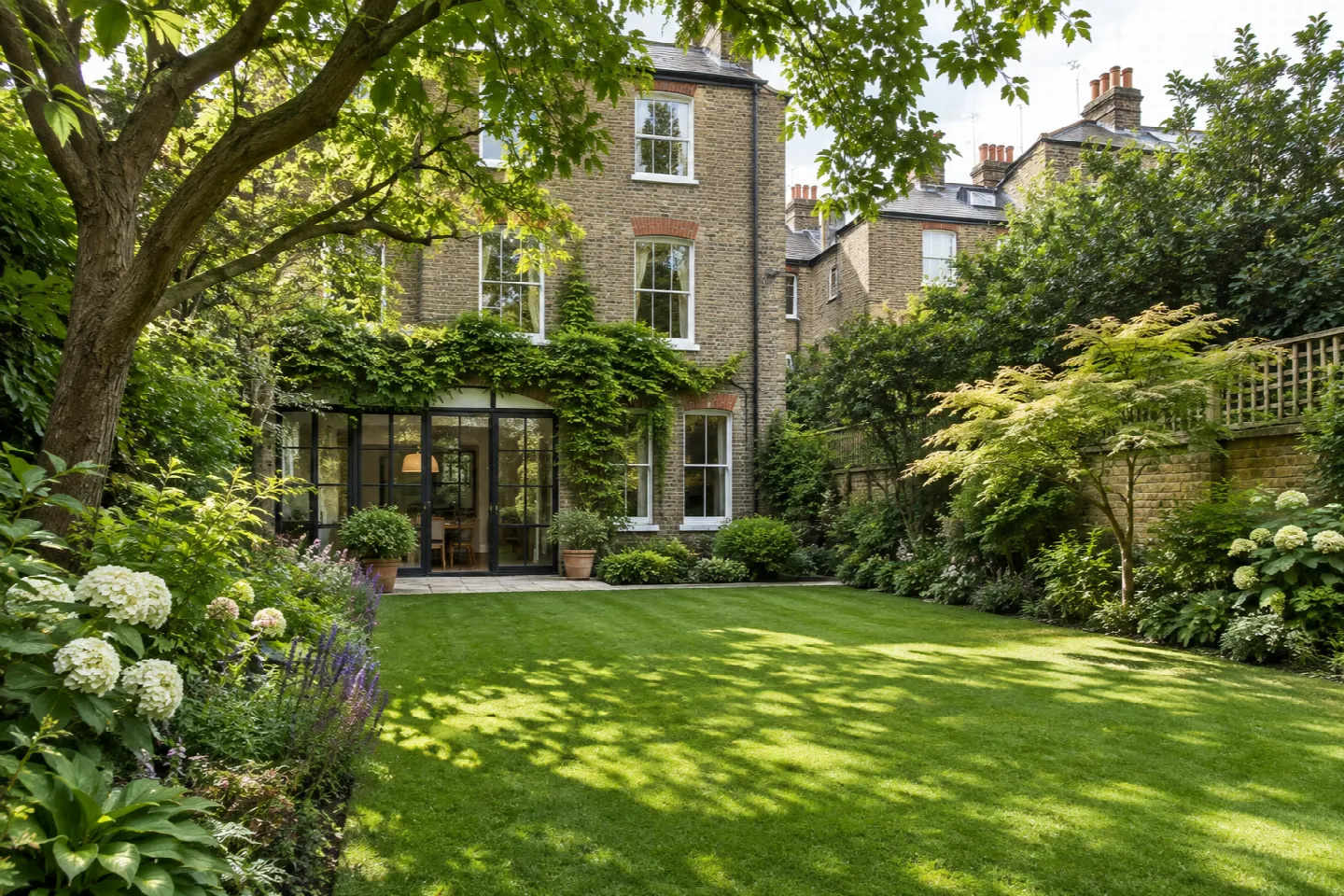
The front and back garden often need attention for different reasons. At the front, stems may catch on clothing every time someone walks past. At the rear, the lawn and sitting area might be clear enough to use while the planting at the far end has become difficult to reach. List the changes you would notice on an ordinary day so we can plan the visit.
For a regular gardening visit, it helps to say where the crew can set down tools and where residents need to keep walking. A porch, passage and bin route can be busy in the morning. Work can start in the quieter garden, with any front hedge trimming planned for a suitable point in the visit.
If work has accumulated over a season, ask for a first visit to make the garden manageable and discuss upkeep once you can see what comes back. There may be an obvious next step such as removing dead stems from a border, while decisions about thinning a healthy shrub can wait until you have seen it in flower.
Help a front border hold its shape
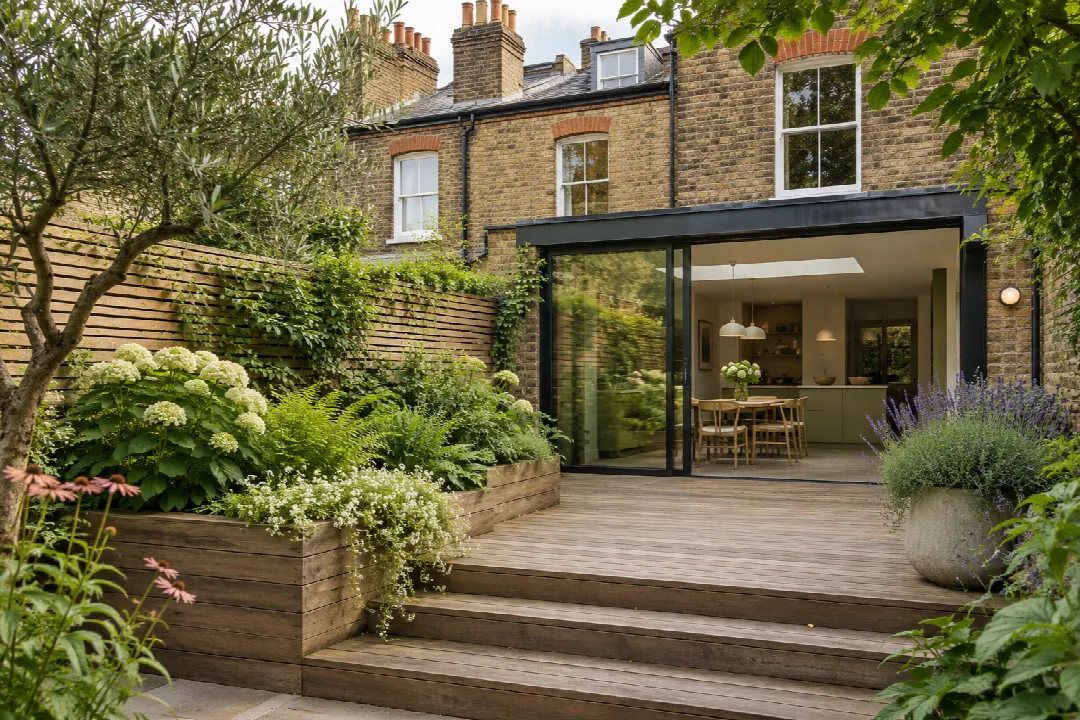
When tall plants lean over the entrance, we look for low stems to keep and remove material that would block the footway again after the next rain. Show us any perennials that die back during winter. Their crowns can be hard to distinguish from surrounding weeds when the soil is covered in fallen leaves.
An evergreen behind a low wall can often be kept tidy with a light cut along the face and a careful check of how it meets the path. Ask about hedge trimming if new growth is also covering a window or letterbox. Mark the required height with a photo from inside if a window is hard to see from the garden.
We can also look at narrow gaps beside gateposts and front steps. Pulling weeds there is useful before seed drops into the next joint. For a border that repeatedly spills onto the path, discuss whether to move a plant or give it a support set far enough back for the stems to grow without leaning into the entrance.
Make the rear lawn easier to cut
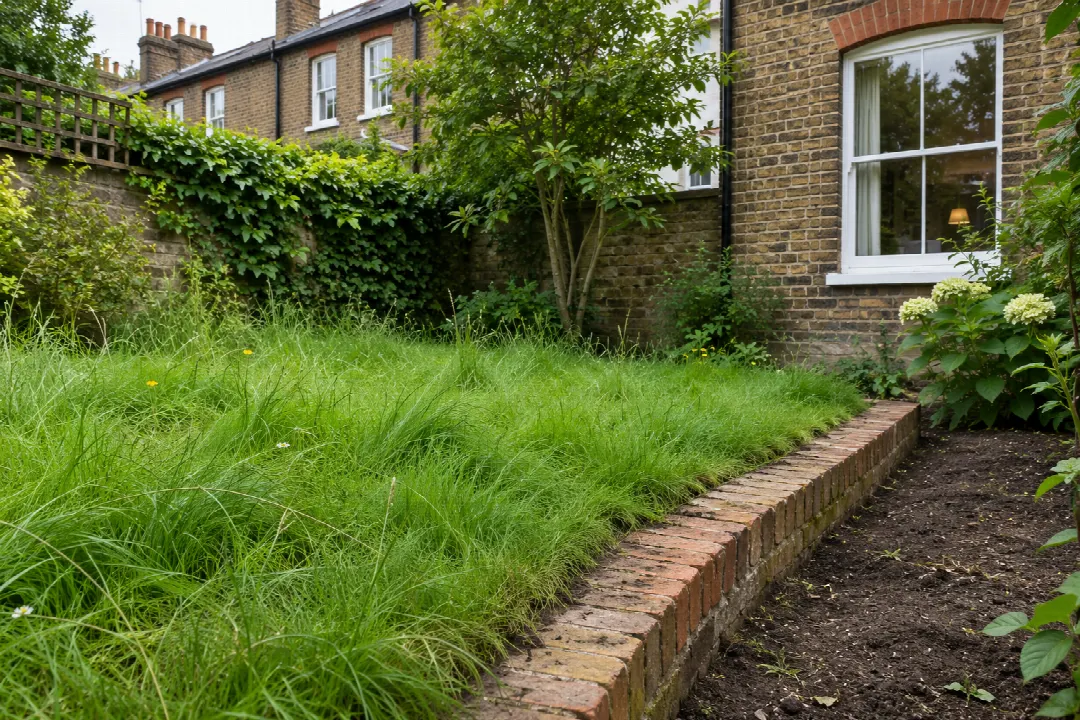
With lawn mowing and lawn care, tell us when the grass was last cut, how much of the lawn stays shaded and whether there are toys, cables or a washing line to work around. If mowing has been delayed, we can discuss a higher first cut and a date to lower the height after recovery.
For a lawn with a curved bed, ask for the edge to be cut back clearly enough to follow next time. Where loose soil keeps falling across the grass, let us know if you want to keep the existing curve. We can agree where to trim before cutting away any turf.
A narrow strip behind a shed can be the slowest area even if it is short. Photos can show whether the mower can get there or whether the work needs smaller equipment. We can agree how much needs cutting and whether to leave any ground cover that is keeping the soil in place.
Front garden priorities
| If you see | Ask about | Show us |
|---|---|---|
| Stems brushing the steps | Selective pruning | Full plant and step edge |
| Growth by the letterbox | Reducing overhang | Distance to front wall |
| Weeds between slabs | Joint clearing | Close-up of the gap |
Clear the ground before choosing what to change
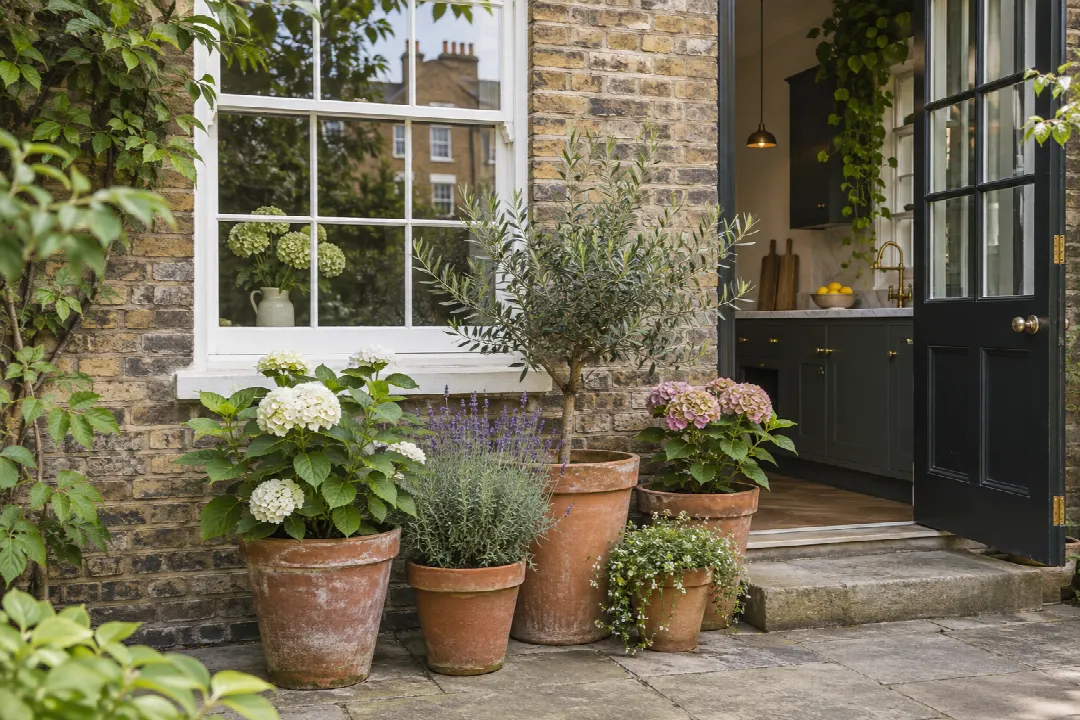
For garden clearance, name the things you need to use again. A gate, outside tap or washing line may sit behind self-seeded plants. Opening a working route lets us see the rest and helps you decide which stems and shrubs to retain. Tell us where you last saw the edges of a buried path.
If a shed has recently come down, separate its timber and fixings from the green waste where possible. Send a photo before the visit if you find broken glass, wire or heavy materials hidden in grass. We can discuss what can be moved and which items may need a separate collection.
When clearing a mixed border, leave a tag close to the base of anything you recognise and want to preserve. A single photo in flower can help identify it if the stem is hard to find. A plant uncovered after clearance may need time to recover before you decide how much space to give it.
Front borders, back lawns and side paths
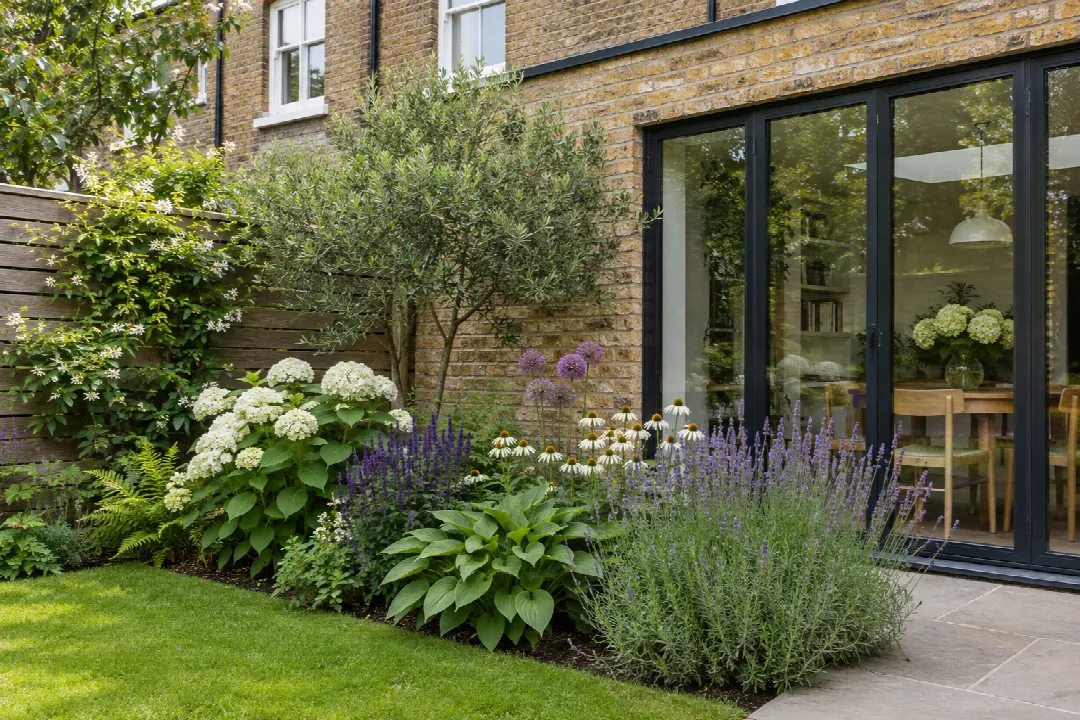
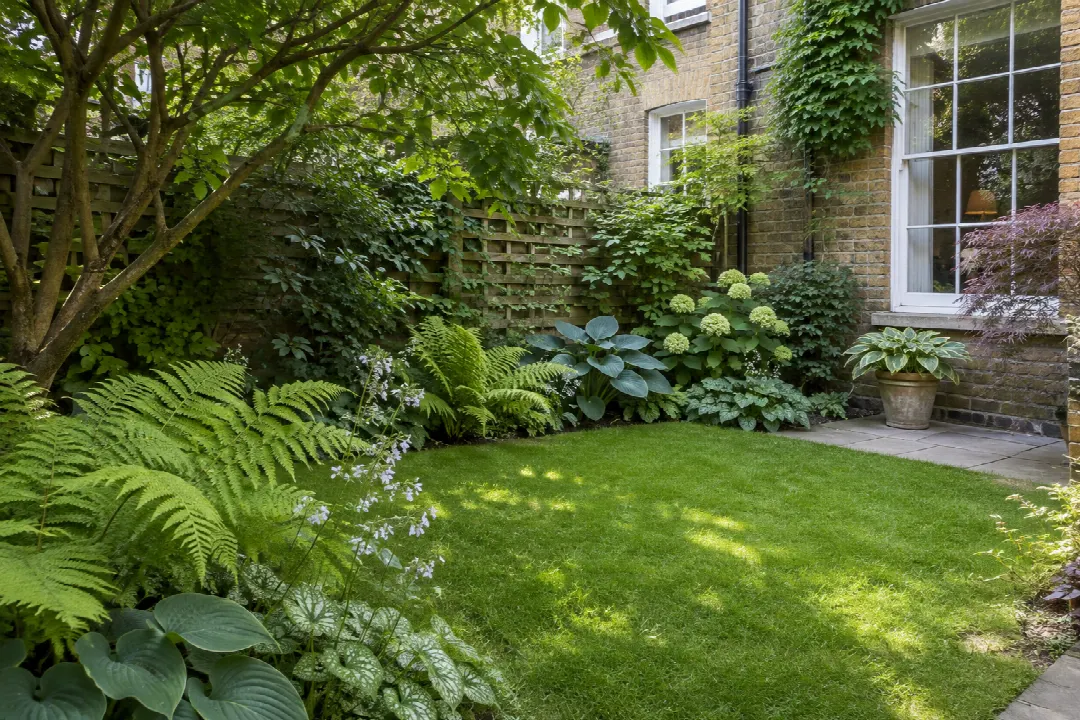
Change the garden to fit everyday use
Think about where you carry a mug, wheel the bin or cross the lawn with a washing basket. When a slab feels awkward underfoot, photograph the approach as well as the slab. The route is easier to assess if we can see what is at both ends and whether the ground level changes along the way.
If you want to reclaim a sunny corner for a seat, leave enough room to draw back a chair and come through with a tray. Include the nearby fence or planting in your photo. We can discuss whether the area needs a new surface or can be improved through clearing and maintenance.
Consider what you would enjoy looking after in the coming season. A flower border close to the back door is easy to water and check, while a bed at the far fence may be better suited to plants that can fill the space with less frequent attention. Let us know where the tap is if you are considering new planting.
Rear lawn changes
| What you want | First check | Possible task |
|---|---|---|
| An easier mow | Shape of edge | Recut the border line |
| A neater shed side | Equipment access | Trim the narrow strip |
| A return to shorter grass | Length and condition | Start with a higher cut |
Before clearance or redesign
| Mark or photograph | Reason | What to discuss |
|---|---|---|
| Outside tap | Access may be blocked | Open a route |
| Buried slabs | Edges can be difficult to see | Expose the existing path |
| Future seat | Include room for chairs | Choose a suitable surface |
Frequently asked questions
How should I prioritise when both gardens are untidy?
Choose the job that will improve your day first, such as clearing the entrance or mowing the part of the rear lawn you use. Include the remaining jobs in the enquiry so we can discuss what fits together.
Can the front and rear cuttings be gathered in one place?
Tell us where you would like them gathered and show the route from both gardens. We can then discuss collection or leaving the cuttings at a spot you can use.
Will you clear around my ground-cover plants behind the shed?
Mark the edge of the planting and send a photo from the nearest access point. We can trim growth around it according to the line you want to keep.
Should I book the lawn and borders on different schedules?
That can make sense if the grass grows quickly while shrubs need occasional attention. Ask which tasks fit a typical lawn visit and when a separate border visit would be useful.
Can you make space for a chair on the old paving?
Send a photo of the slab edges and the approach from the house. Include the size of the chair and whether you expect to use a table so there is enough room to move.
Discuss your Greenford garden
Tell us which parts of the property need work, how to reach them and where the cuttings should go.