
GSL Gardening Services London
Gardeners in Penge
If a mixed border has lost its shape, we can help make the plants you want to keep visible again and reopen the route beside them.
Can you thin a crowded Penge border without lifting everything?
We can discuss which plants to retain and work around them as we remove agreed growth. Point out any low plants hidden beneath taller stems and show us where the border is accessible. A first visit can focus on one crowded stretch if you want to see what emerges before doing the rest.
What if I only recognise some of the plants in the bed?
Show us the plants you know you want to keep and any growth you are happy to remove. We can discuss leaving uncertain shoots in place until they are easier to recognise. Photos from a time when the plants are in flower can help establish what grows where.
Decide which part of the border should be opened first
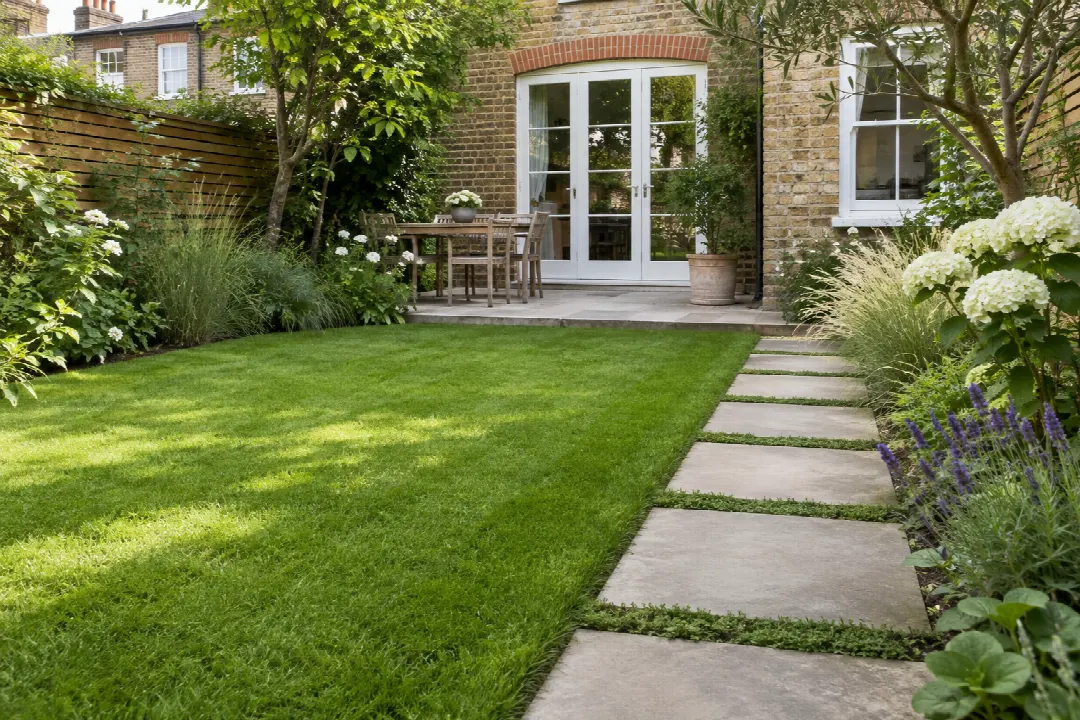
A border can be hard to read when several plants have spread over the same stretch. Start with what you remember about the bed. You may know where a favourite clump comes up in spring or which side of a shrub you want left full. Mention any planting that only appears for part of the year. We can look at the longest accessible stretch and discuss lifting loose material to expose the edge before touching rooted growth. If you want to leave some stems for seed heads, say which section matters most. A garden plan can be as simple as a few photos with notes on what to keep and what to cut. Those notes also help if you want different areas worked on over several visits.
Separate low planting from unwanted growth
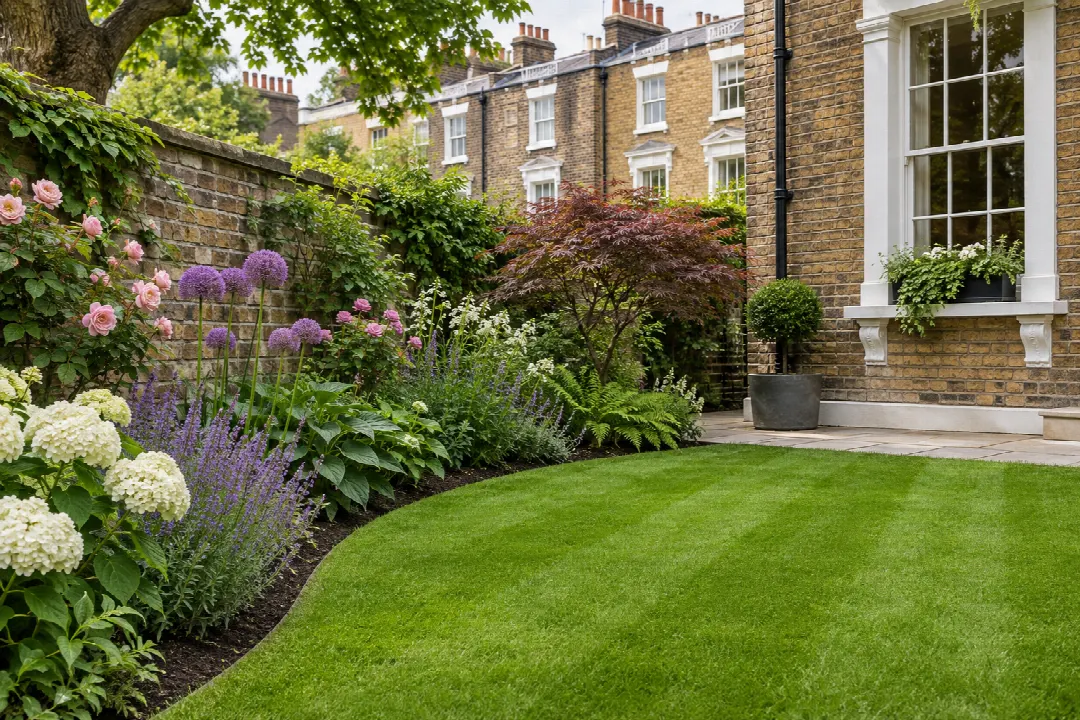
Look at the border from the lawn side and again from the end if you can. A patch that looks like one plant from above may contain several kinds of growth with roots in different places. Plants that spread by runners can be tangled around leaves you want to keep. We can discuss weeding by hand around identified plants, clearing suitable gaps and deciding which growth to leave until it can be seen clearly. If you have recently added plug plants or small divisions, mark them before we visit. Ask about garden maintenance for visits where we can combine selective weeding with routine jobs elsewhere. The amount of work we can fit in depends on the density of growth and how many of the plants can be reached from a firm edge.
What to keep visible while we work
| Planting situation | Useful preparation | Work to discuss |
|---|---|---|
| Small plant under a larger clump | Mark the small plant and photograph its leaves | Thin agreed growth to reopen access |
| Seasonal plants with no shoots showing | Mark the known spots before the visit | Clear around the markers |
| Stems with flowers or seed heads | Show the area you want left full | Tidy the adjoining part of the bed |
Ways to approach shrub growth
| What you notice | Question for the visit | Information to share |
|---|---|---|
| Branches overlap a path | Which growth can be shortened? | How much room people need to pass |
| Inner stems are dry | Can dead material be reached? | Photo of the base and surrounding plants |
| Lower leaves shade new plants | Can light reach the bed with selective pruning? | Which branches provide useful screening |
Mixed borders with room to reach the plants
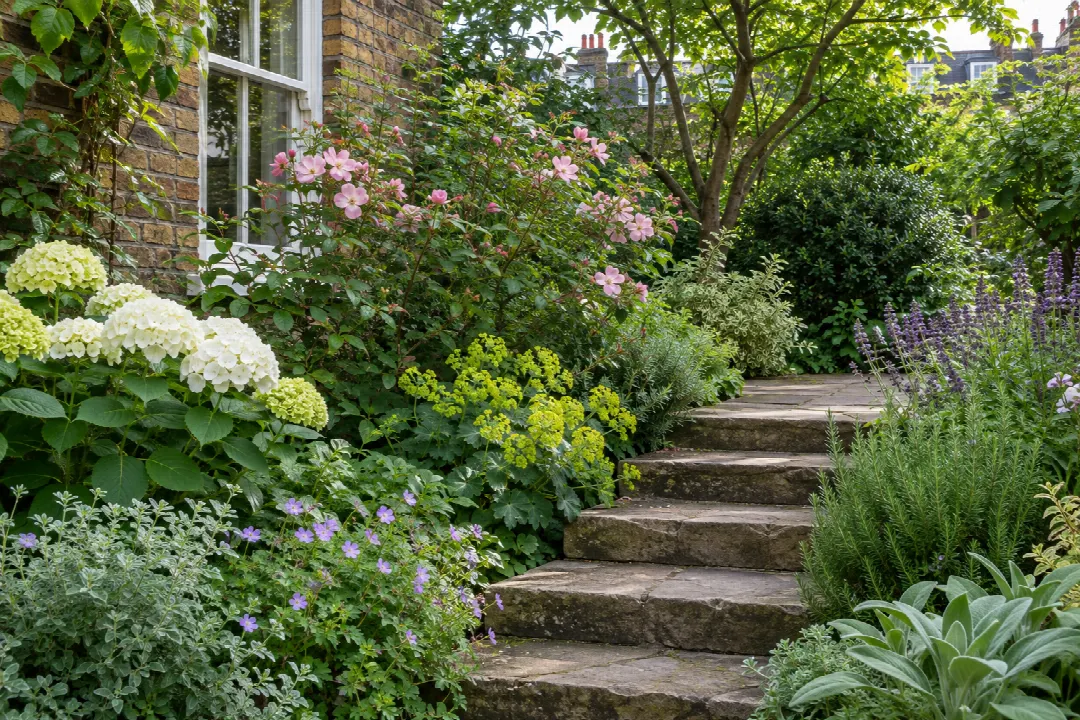
Make room around established shrubs
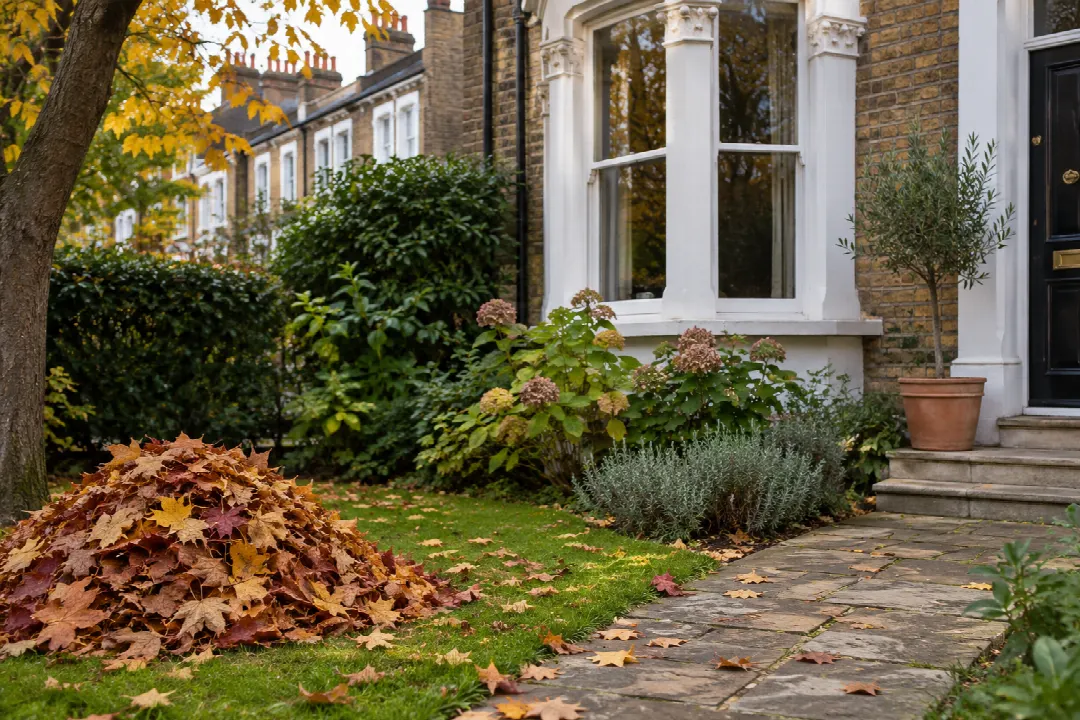
Shrubs can hang over younger plants, the lawn or the path even when they look the right size from the house. Tell us where you want to restore light to the bed and where foliage gives you useful screening. We can discuss removing dead material and shortening appropriate growth with the plant’s condition and time of year in mind. If you are hoping for flowers on a particular shrub, say when you normally see them. The part you want to change may carry its buds or the stems that will flower later. A photo showing the full shape helps us see where the branches come from and how much can be reached without working through fragile planting. Let us know about hidden canes, ties or old wire nearby.
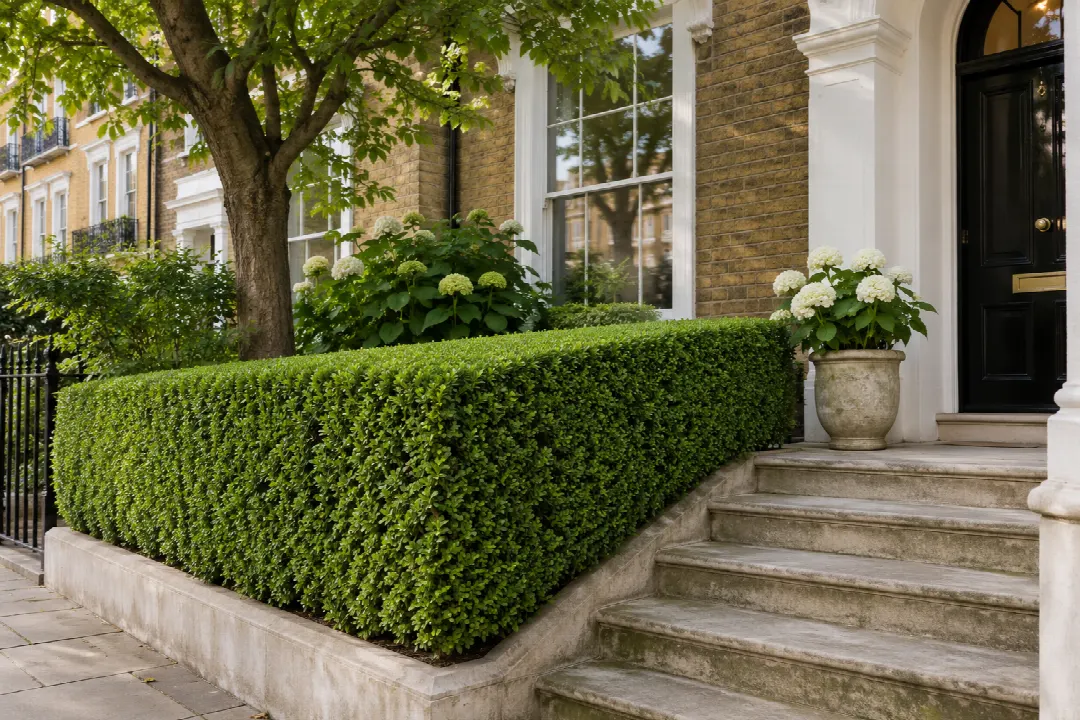
Bring back the line between bed and lawn
Grass can extend into the planting when the edge has been missed for several cuts. Equally, plants may grow across the grass and hide the line you want to keep. Show us the curve or straight edge you would like to follow. We can discuss trimming the reachable grass and removing agreed growth from the margin. If a mower cannot reach the edge, tell us where that happens and which parts need to stay accessible for edging by hand. When you ask about mowing and edging, tell us which part of the original line is still visible. If you want to widen the bed after the first tidy, leave a way to reach the centre and think about how much foliage will spread back over the grass.
Deciding how to deal with a crowded edge
| Edge problem | Possible task | What makes it easier to quote |
|---|---|---|
| Grass spreading into the bed | Recover the existing edge | A view along the full length |
| Stems crossing the lawn | Discuss tying back or trimming suitable growth | Plant names or close photos |
| Unclear transition to the path | Define the usable paving edge | Where people normally pass |
Choosing work after the first tidy
| What you find | Next visit option | When to consider it |
|---|---|---|
| Open ground beneath taller plants | Review light and plan suitable planting | After checking when the spot gets sun |
| Unfamiliar shoots among known plants | Check new growth before deciding what to lift | When leaves or flowers become identifiable |
| Weeds returning along the edge | Arrange selective weeding and edging | When the growth can be reached again |
Review the cleared spaces before buying new plants
Open ground can appear once foliage is drawn back or removed. Check whether the gaps are clear through the whole day or shaded by the larger plants for most of it. Think about which spaces are there to reach the back of the border and which could support more planting. If there is a large amount of growth to lift before you can assess it, ask about a garden clean-up and tell us where the cuttings can go. You may want to use the next visit to see what has grown back before committing to more changes. If you are planning new planting across several beds, ask about garden design and show us how those beds connect to the rest of the garden.
Frequently asked questions
Can I ask you to start at just one end of the bed?
Yes. Tell us which end matters most and what you hope to reach or see once it has been tidied.
Can you work around plants I have tied to canes?
Let us know where the canes and ties are. We can discuss what can be reached around them and whether you want any of the supports moved.
Should I photograph the bed before the plants die back?
A photo while plants are visible can help you point out positions later. Keep a broad view and a close photo of any plants you want retained.
Can you cut the grass while you tidy the border?
Ask about both jobs together and share how the mower can reach the grass. Tell us if there are any parts of the edge you want left longer.
What if there is too much cut growth for my garden bin?
Describe the amount and your access route. We can discuss collection or where the cuttings can be left if you are dealing with them yourself.
Discuss a border tidy in Penge
Send a broad photo from the lawn or path and close-ups of plants you want to keep. Tell us which parts of the bed are hardest to reach.