
GSL Gardening Services London
Garden Maintenance in Richmond
We maintain lawns, mature planting and the routes that connect them. Give us the parts of your Richmond garden you want cared for on every visit and the jobs you want handled at particular times of year.
Can you divide a large garden into jobs for separate visits?
Yes. We can agree the areas that need attention every time and set aside more time for slower jobs such as weeding a deep border. If you have a lawn, several hedges and a seating area, tell us which ones are most important to you at different times of year.
Can I combine regular mowing with occasional pruning?
Yes. We can plan mowing around the growth of the grass and discuss pruning when the relevant shrubs or hedges need it. Let us know which plants provide screening or an important display. We can arrange a longer visit when the seasonal work will take more time than the usual cut.
A maintenance plan for more than one part of the garden
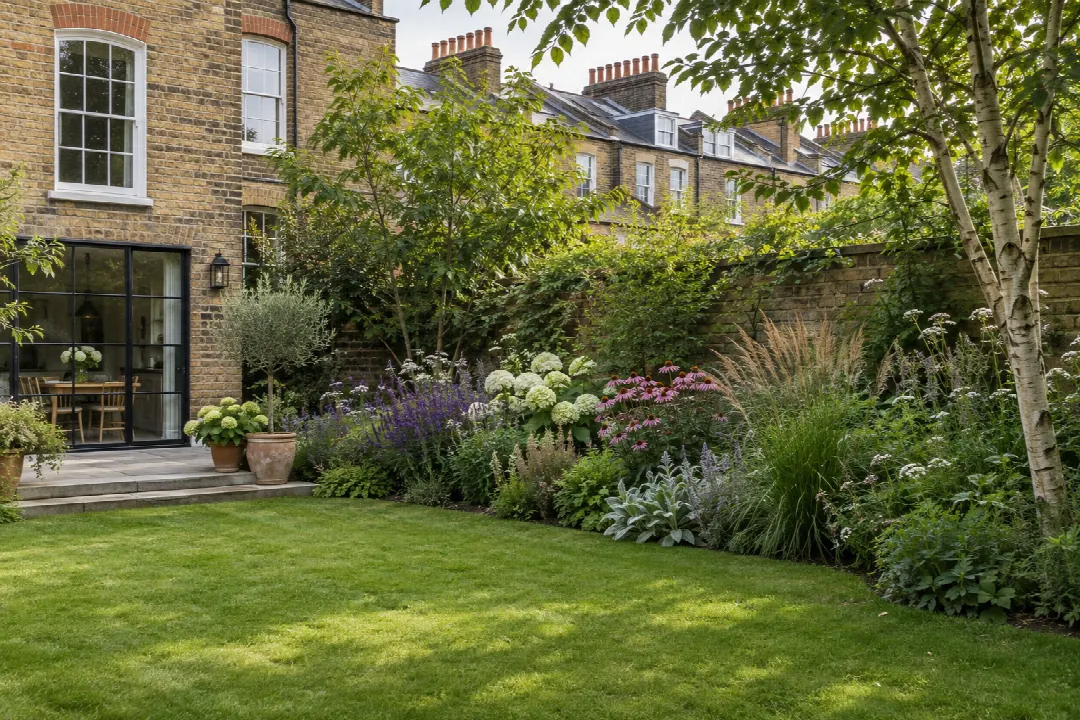
A larger garden often contains areas that can be cared for at different rates. We can keep the main grass and entrance ready for use while dealing with a deeper border when it needs attention. The first visit is a chance to identify which jobs recur and which should be booked separately. Tell us where you sit, walk or need to reach a shed so we understand which routes matter.
We can organise work around a front garden, a rear lawn or planting that needs more time. Where the same visit covers several areas, we agree the order so the most useful jobs are done first. It can make sense to spend one appointment on the main grass and route, then return for beds that are hard to weed quickly without losing plants.
A smaller courtyard can benefit from the same approach on a different scale. It may have no grass, but leaves, pots and shrub growth can still need regular attention. We can discuss whether you need a routine or a few visits at particular points in the year through our maintenance service.
Grass, edges and the ground beneath them
We mow the agreed lawn areas and work along the boundaries where grass meets beds, steps or paving. The way the grass grows can differ across a single plot. One area may dry out quickly while the ground under a tree remains soft. We look at how the grass and ground are doing before deciding how to make the cut.
We trim around features the mower cannot reach. Tell us about raised edging, low lights, newly planted trees and sections you want left for longer grass. If a corner is worn because it serves as a regular route, we can discuss a repair or the way the area is used. A bare patch in shade needs a different conversation from a strip worn by feet.
Ask about lawn mowing and lawn care if you want that work booked on its own. If you want grass cutting and border care together, give us approximate dimensions for each. That helps us allow enough time to reach the parts of the garden you want done without trying to treat all the work as if it takes the same effort.
How to divide maintenance
| Area | Recurring work | Occasional work |
|---|---|---|
| Main lawn | Mow and tidy edges | Assess worn or thin grass |
| Deep border | Weed accessible areas | Selected pruning or preparation |
| Path and steps | Keep the route usable | Clear a heavier fall of leaves |
Options for mature planting
| Feature | Decision | Work to consider |
|---|---|---|
| Screening hedge | How much cover to retain | Trim agreed faces |
| Flowering shrub | When the display matters | Prune suitable stems at the right time |
| Layered border | What stays through the year | Weed around established planting |
Lawns, paths and established planting
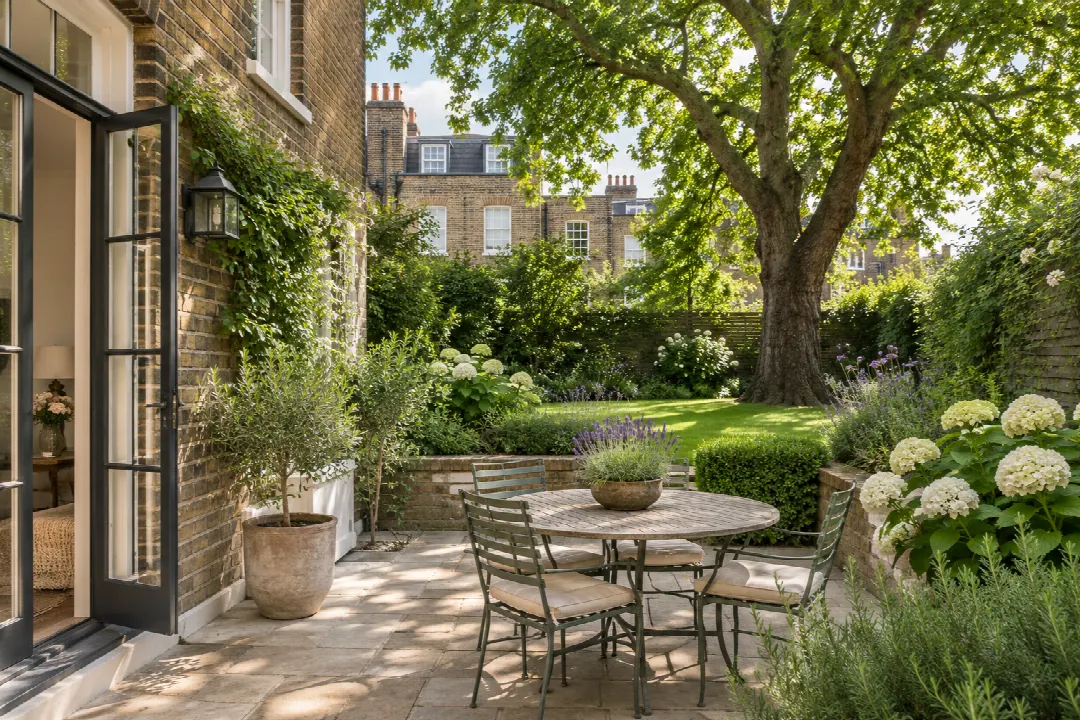
Hedges and mixed borders through the year
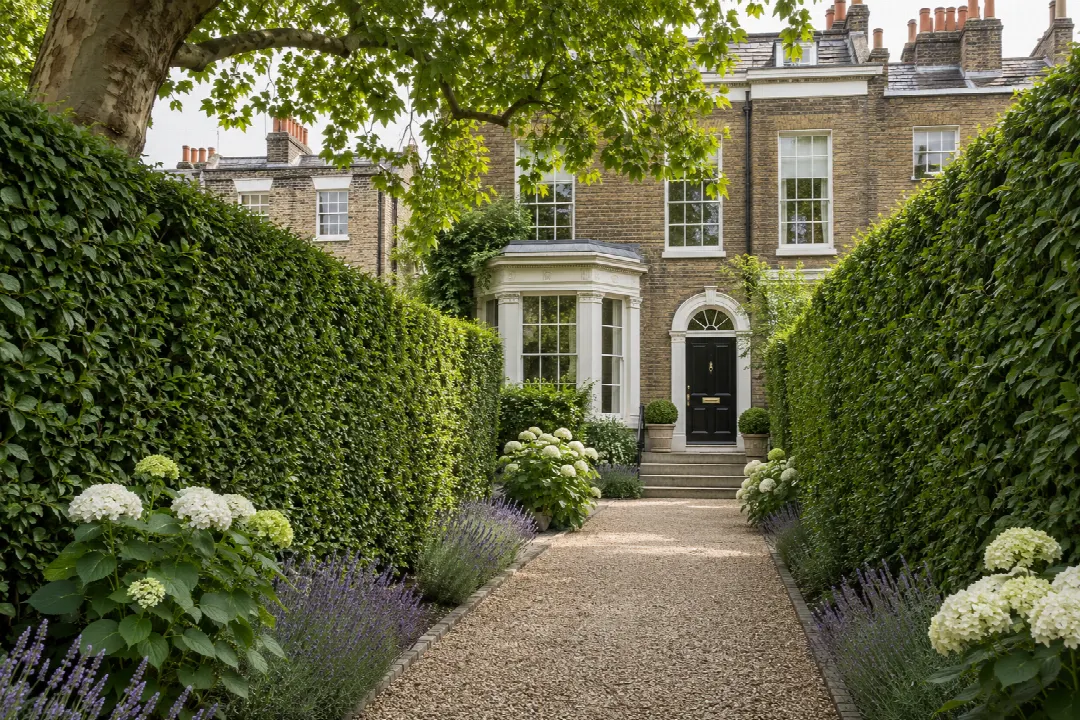
Mature planting is often one of the reasons to keep the garden as it is. We ask which hedges give privacy and which shrubs provide flowers or a view you value. For accessible hedge growth, we can trim the agreed faces and collect the cuttings. A change to height or width is discussed separately because it can affect both the shape and the amount of material to move.
When pruning, we work according to the plant and what you need from it. Some growth may need taking back from a path, while another part is better left until after flowering. We can hand weed around established shrubs, clear spent growth and prepare a space for planting. Tell us if there are bulbs or young plants that can be hard to see before they emerge.
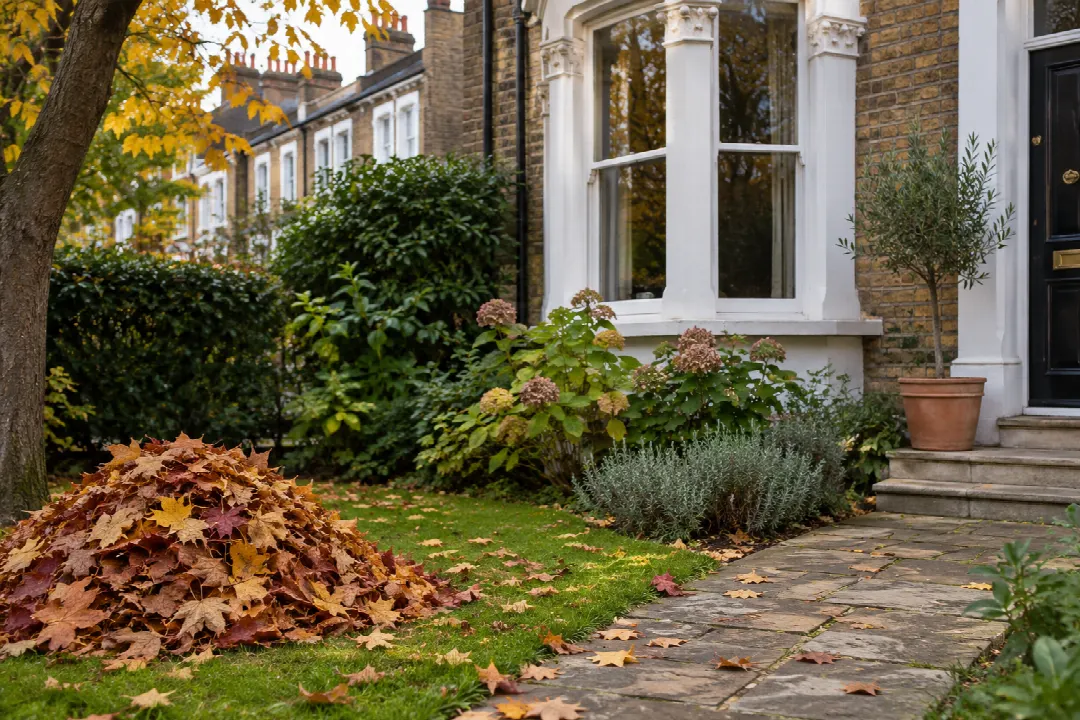
We can plan seasonal work around the garden. Early visits can focus on beds and the first cuts where the ground permits. Later, leaf collection may become the priority near steps and along paths. We discuss which places need clearing often and which can be left quieter so there is room for existing planting and wildlife.
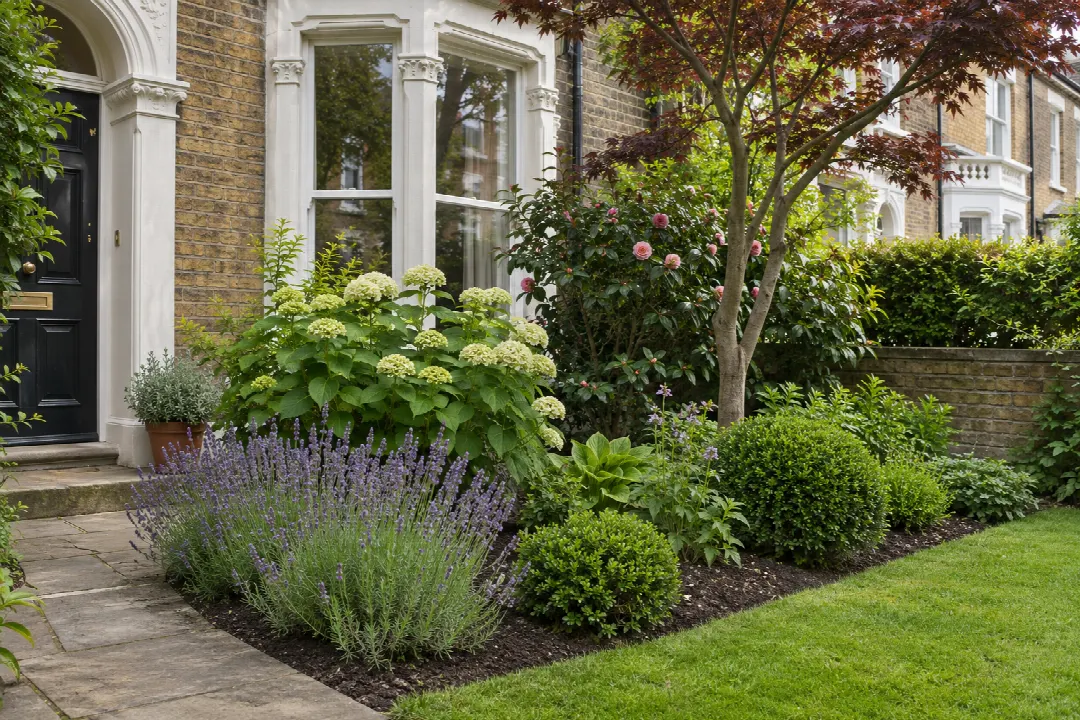
Bring a neglected section back into the routine
A garden can be well used at one end and overgrown at the other. We can start by reopening the route to the neglected area, then cut back accessible growth to see what remains. We work carefully around planted edges and check for old structures or debris as the ground becomes visible. Tell us which shrubs or screens you want to keep.
If the overgrowth is extensive, we may agree a separate garden clearance before returning to routine maintenance. We can discuss how much to clear on the first visit, what should stay and which plants may need follow-up attention. Long grass and persistent weeds can need a second pass after the first cut has made the area accessible.
We agree the handling of leaves, branches and grass before starting. If some material is to stay for composting, tell us which place to use. Where we discuss collection, the volume and route out matter. A distant corner of a large garden can take longer to clear even if the gate itself is wide. Old soil and mixed items need a separate conversation.
From seasonal work to repeat visits
| Timing | Useful priority | Confirm |
|---|---|---|
| First cut | Check the state of grass and edges | Where the ground is firm enough |
| After flowering | Review shrubs and spent growth | What to leave for next season |
| After leaf fall | Open paths and clear lawn edges | What to do with gathered leaves |
What affects the quote
| Factor | Example | What to send |
|---|---|---|
| Area | Separate lawns or long boundaries | Measurements or a simple sketch |
| Condition | Routine trim or heavier growth | Close and wide photographs |
| Handling | Material from a distant corner | Route, volume and collection preference |
Agree the work, access and quote before the visit
Send photographs of each area you want included. For a larger plot, a simple sketch can show which lawn or hedge you mean. For smaller plots, show the narrowest gate and any stairs. Tell us about routes shared with other people and which areas need to remain available while we work. We can plan the work and equipment from that information.
On arrival we check the priorities and walk through any places that need care. We can trim growth before a cut where both tasks affect the same grass. If autumn leaves cover a route you need, we may clear it before moving equipment through the garden. Afterwards we can discuss what has been completed and what needs time on the next visit.
The quote depends on the amount and condition of the work, equipment access and how material is handled. A repeat lawn cut is different from a first visit that also includes pruning and waste. Tell us if you need materials or want to combine garden care with cleaning suitable paths or paving. We can set out which parts are included before booking.
If you have a sketch or notes from an earlier maintenance visit, send them with the new enquiry. A marked photograph showing the main lawn, paths and beds lets us keep separate areas clear in the quote. We can also use it to agree which borders to spend more time on when growth is active and which corners can wait until the next seasonal visit.
For a long garden, a separate photo of the far boundary helps if the work includes a hedge, a shed entrance or a second lawn. Tell us whether the route to that area is wide enough for a mower and if there is somewhere nearby to gather cuttings. We can then allow time for moving between the two parts of the plot.
Frequently asked questions
Can you look after only the part of the garden we use most?
Yes. Mark the areas to include and show where you want the work to stop. We can agree a routine for those sections.
Can you leave the grass longer under a tree?
Yes. Point out the area and tell us where the shorter cut should end. We can tidy the transition where appropriate.
Can a long hedge be done over two visits?
We can discuss the length, access and the result you want. If it suits the work, we can agree which section to tackle first.
Do you need a plan of every plant in the border?
No. A few photographs or markers for plants you want kept are usually a useful start. Show us any plants that are difficult to identify out of season.
Can you schedule a heavier visit after leaves have fallen?
Yes. Tell us where the leaves gather and whether you want other work combined. We can discuss timing and what to do with the volume collected.
Discuss a maintenance plan for Richmond
Tell us which areas you use most and when they need attention. We can plan an initial visit and discuss the right frequency for the work.