
GSL Gardening Services London
Gardeners in St John’s Wood
Arrange gardening in St John’s Wood for formal planting, lawns and paved areas. Show us the lines and garden features you want the maintenance to bring out.
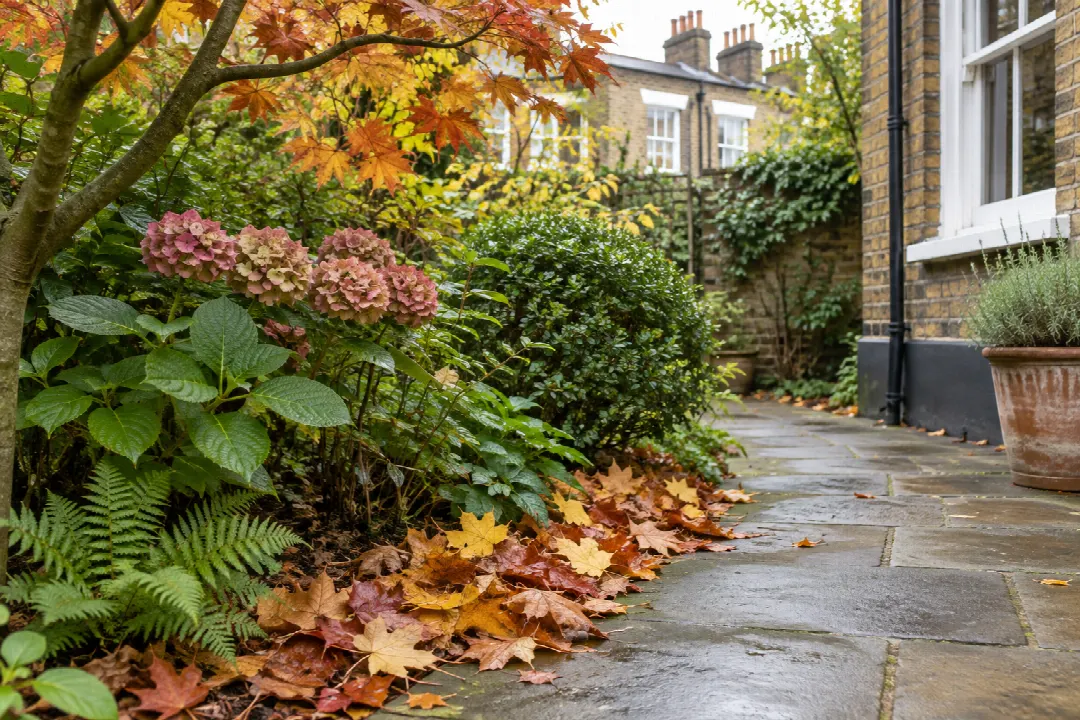
Can you follow the existing lines of a formal garden in St John’s Wood?
Yes. Send views along the hedges, lawn edges and paths. Tell us whether you want to maintain the present shape or return to an older line you can show in a photo. We can discuss which details can be kept during a regular visit and what may need separate work.
Can you maintain a planted area around a set of garden steps?
Show us the steps from above and below, along with the edge of the planting. Tell us whether you want stems to soften the sides or keep the stone fully visible. We can discuss pruning and clearing where people need room to walk and where the planting can remain fuller.
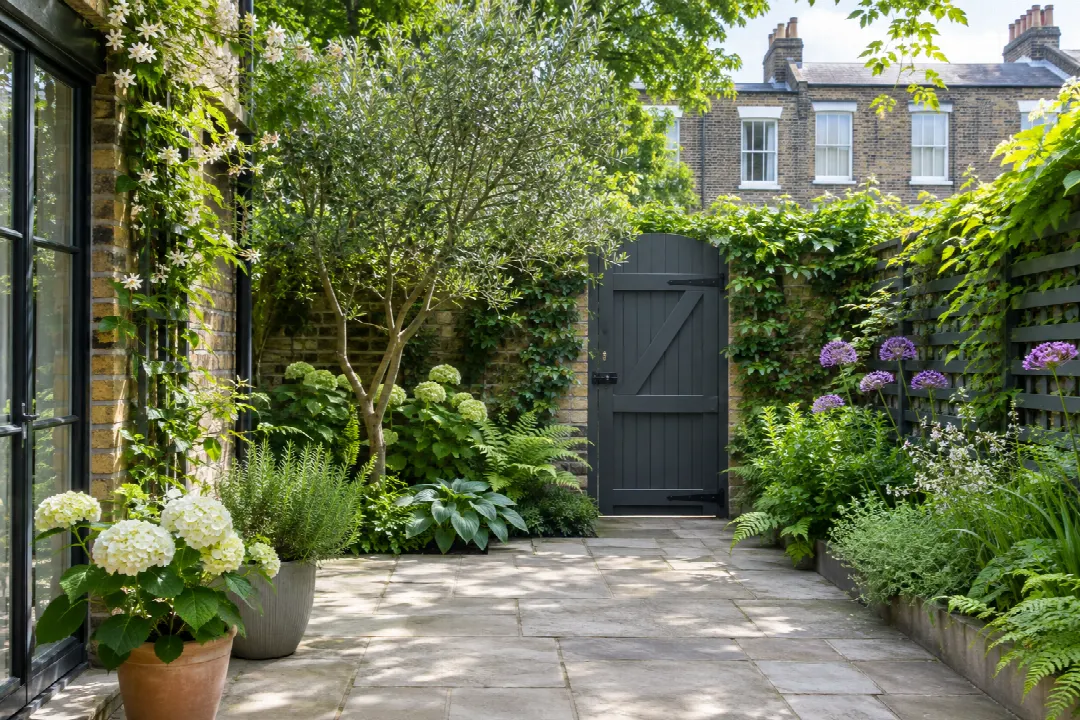
Record the lines you want to keep
Stand at the main entrance to the garden and take a photo of the whole space. Paths, borders and hedges can align from this viewpoint, even if a single plant appears uneven close up. Point out the lines you want to follow and any feature that should stay visible.
For garden maintenance, explain which details need attention each time. A crisp lawn edge may be a regular job while a more substantial change to the hedge can wait. Tell us which plants you want to allow to fill out between cuts and which ones need room around them.
If a bed includes plants at different stages of growth, show us which ones set the overall shape. A newer shrub may need time to fill the gap between established plants. We can agree where to trim now and which parts of the border you want to leave fuller.
Look after formal lawns and their edges
For lawn mowing and lawn care, look where the turf meets a path, wall or raised bed. Take a photo along each edge that matters to you. We can discuss following an existing line or bringing grass back where it has grown across the paving.
Where there is a curved lawn edge, tell us if the curve is part of the design or has shifted as plants spread. A few points marked in a photo can show the intended shape. Include the whole edge so we can see where the curve joins a straight section.
If a level lawn is used for seating, show where furniture is set out and how often it moves. Grass beneath a bench or table may need different attention. Let us know which pieces can be put aside and which will remain in place while we work.
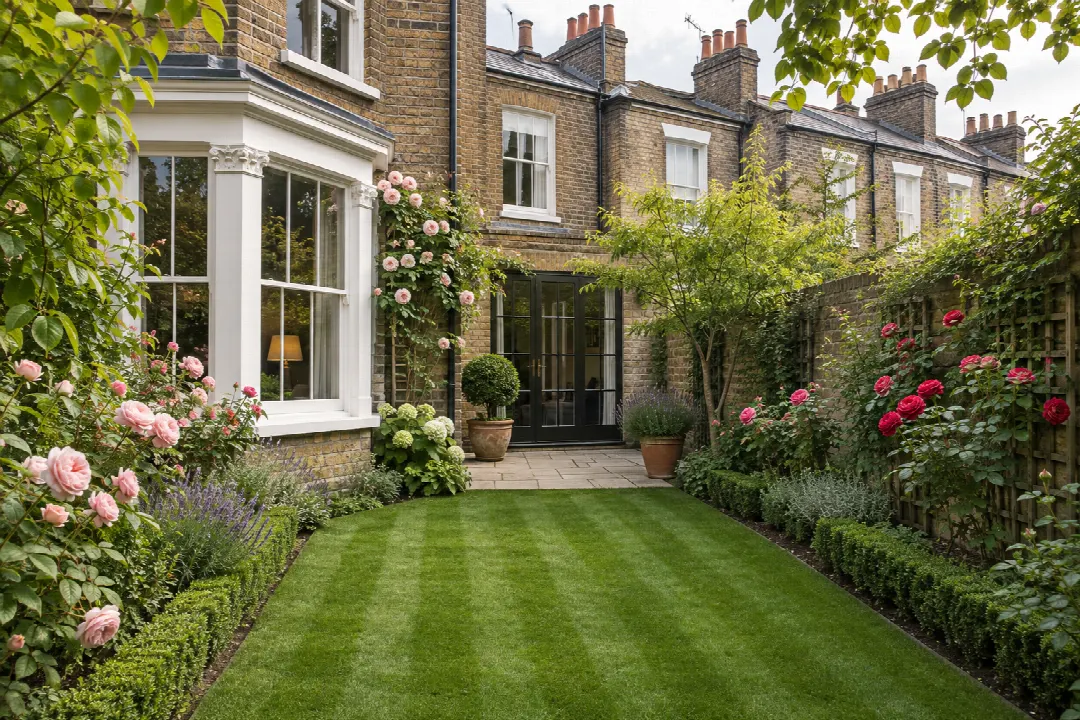
Identify the garden lines
| Feature | View to send | Work to agree |
|---|---|---|
| Lawn edge | Along the turf and path | Where to trim |
| Clipped hedge | View along the top | Line to maintain |
| Bed beside steps | From above and below | Where to leave growth |
Prepare the lawn
| What to check | Useful detail | Decision |
|---|---|---|
| Edge at curve | Where it joins straight line | Outline to follow |
| Garden seat | Whether it can move | Room to cut below |
| Grass beside paving | Where turf covers edge | How much to take back |
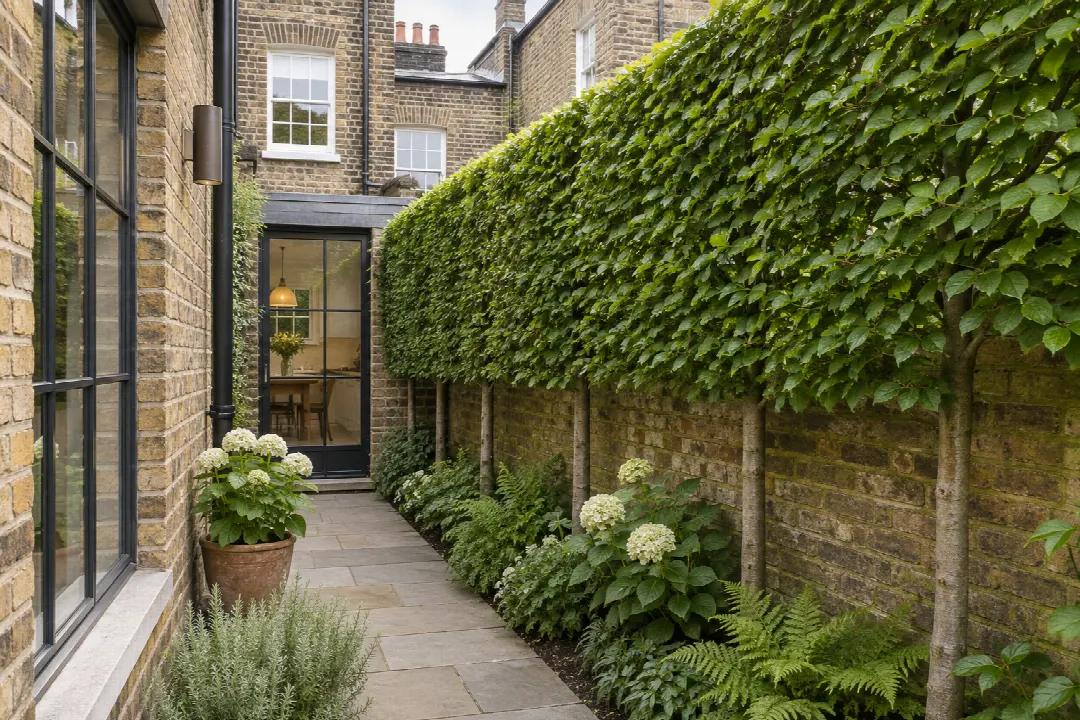
Keep hedges aligned with the garden layout
A clipped hedge can frame the route from the house or mark the edge of a terrace. Tell us which view gives the best indication of the intended height. A photo looking along the top can show where new growth has disrupted the line.
If two sections of hedge meet by a step or opening, explain how you want the heights to relate. One section may be meant to follow the ground while another provides a consistent screen. We can discuss which shoots can be taken back and how to handle the corner.
Where an established shrub grows close to the hedge, decide which plant should provide the main shape. The shrub might need space to flower or show its foliage. Show where the branches meet and tell us whether you want a gap between them or a connected line.
Clear borders without obscuring their structure
For garden clearance, show where loose material hides edging, paths or ground cover. A narrow gap between a hedge and a wall can hold leaves long after the open parts have been swept. Tell us what you want to reach and what should be left undisturbed.
Mark ornaments, lights and fittings you want kept in their positions. These can be difficult to see from a path when plants have grown around them. A close photo and a wider view help us identify the right places before clearing begins.
Agree where to put the cuttings so they can be carried out without crossing a lawn or blocking a path you use. Tell us if the garden is reached through the house or by a separate gate. Include any areas that need to stay open throughout the visit.
Prune around formal features
| Feature | What to point out | Work to discuss |
|---|---|---|
| Hedge corner | Where two sections meet | Height on each side |
| Shrub near hedge | Where stems overlap | Separation or joined line |
| Terrace edge | View from garden | Cover to retain |
Clear selected areas
| Material or item | Where to check | Decision |
|---|---|---|
| Leaves | Gap by hedge and wall | What to gather |
| Garden light | Base among foliage | Clear around it |
| Cuttings | Route to gate | Place to gather bags |
Clipped borders, formal lawns and garden terraces
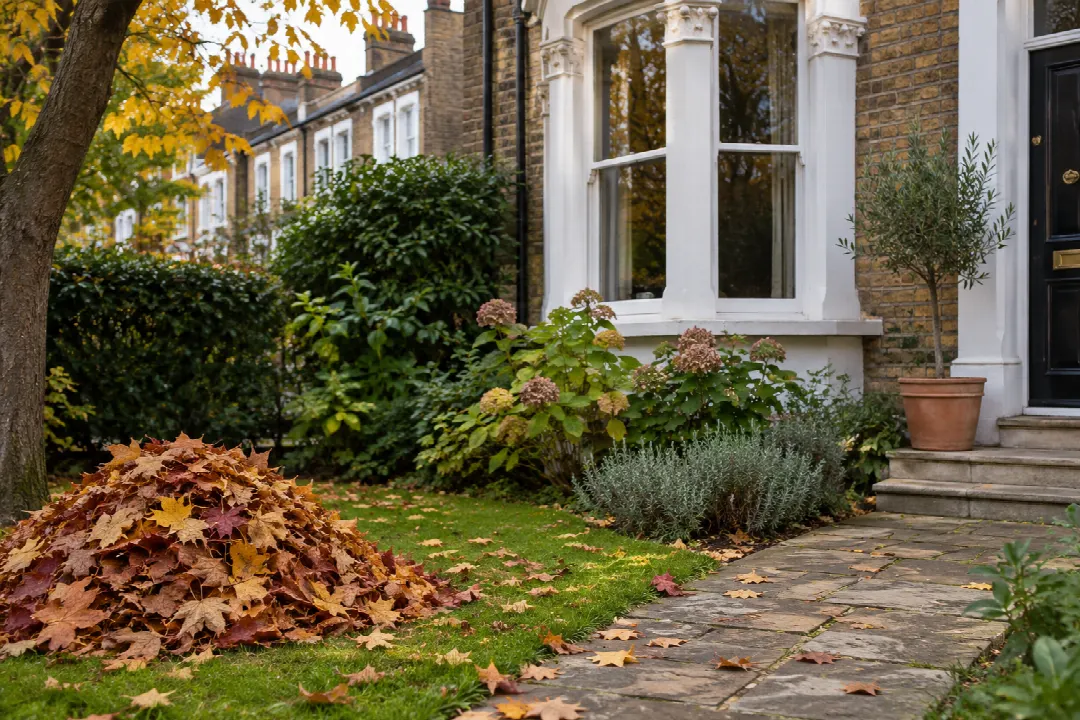
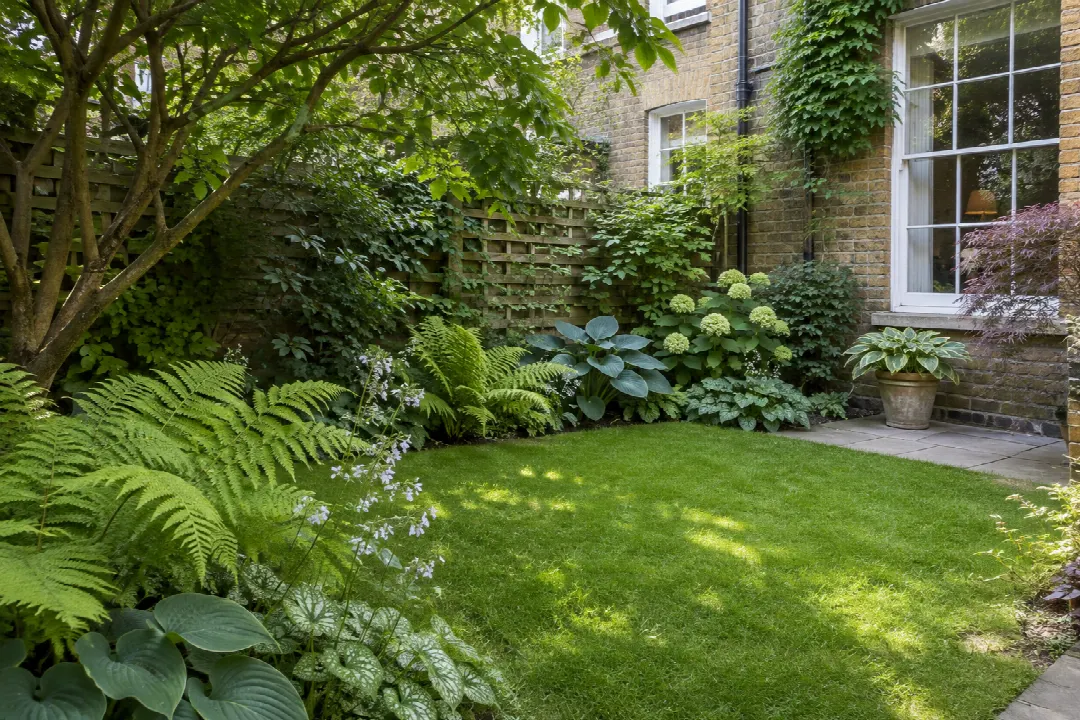
Choose changes that fit the existing garden
When discussing garden design, photograph the part you want to change alongside the rest of the layout. A bed can look disconnected in a close photo while a view from the house shows how it frames another feature. Tell us what you want to keep in the foreground.
A new planting position may affect the line from a window to a path, seat or focal plant. Use a marker to test the position before choosing a plant. Consider the view through the garden after the plant has reached the height and width you expect.
Think about which details you are comfortable maintaining. A narrow line of clipped planting may suit a regular visit, while a wider border could have room for plants to grow more freely. Leave space beside walls and paths so the planting can be reached.
Frequently asked questions
Can you restore the line of a lawn that has spread over the slabs?
Show where the paving edge remains visible and include any older view of the lawn. We can discuss how far to bring the grass back.
Can a hedge be kept at a different height near the steps?
Yes. Send a view of both sections and mark where you want the height to change. We can discuss how to form the join.
How do I show which plants are part of the formal layout?
Take a photo from where you normally see the whole garden. Mark the plants that create the lines or frame a path and tell us which others can spread.
Will you clear around my lights without changing their positions?
Show where they sit and where foliage has reached them. We can discuss which material can be gathered while leaving fittings in place.
Can you leave flowers over part of the lawn edge?
Tell us which part you want softened and where you need a clear line. We can discuss cutting each section to suit its role.
Discuss gardening in St John’s Wood
Include a view of the whole garden and point out the edges and features you want to keep distinct.