
Practical Ways to Improve Your Garden
Before adding anything, take a look at where you already spend time and what gets in the way.
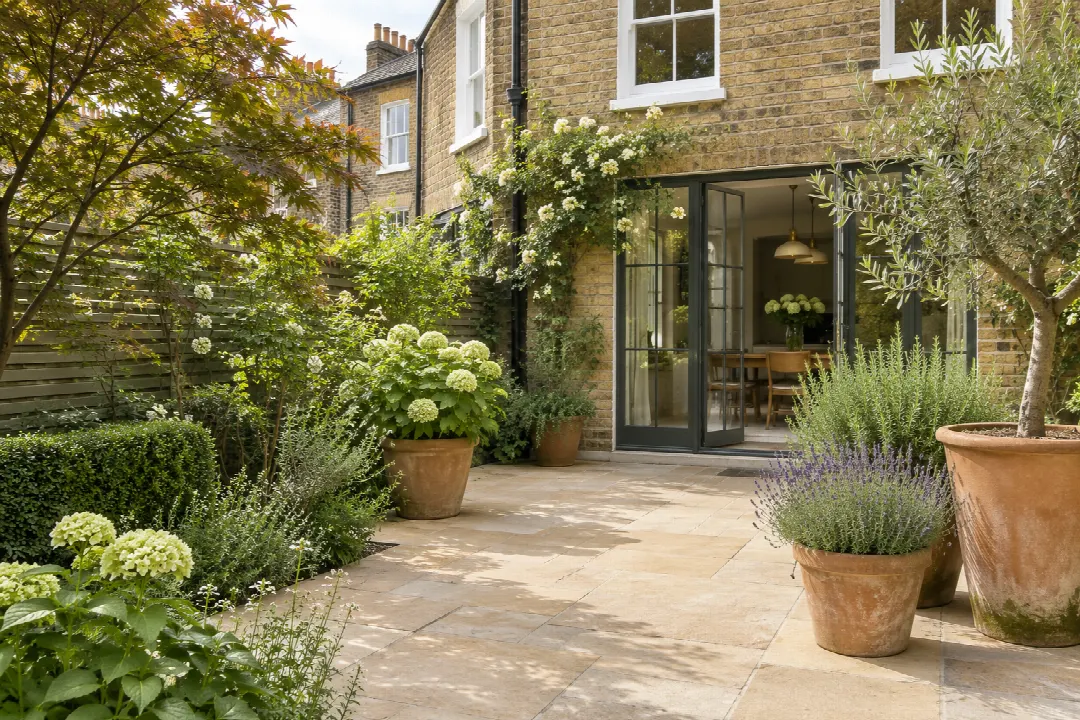
Start with what the space does well
Look at the view from the kitchen and the route you take from the back door. The sunny place you want to sit in may be on the other side of a bed or at the far end of a narrow plot. A useful improvement can be as modest as opening a path or moving a seat to a place with more light.
Make a plan for grass and planting
Decide where open ground is useful and which edges could take more planting. Grass beside the main route may be difficult to maintain if it is walked on constantly. A bed under a wall can need a different set of plants from a sunny border just a few steps away.
Choose a feature that earns its place
A larger patio gives room to sit, but it can also take up planting space and change where water goes. Think about how often you will use it and what has to remain accessible. Garden design can help you compare layouts while keeping features that already work.
Work in an order that avoids doing jobs twice
Set levels and main routes before shaping new borders. If a plot is overgrown, uncover the existing paving and edges before choosing what to replace. Save time for aftercare, especially where you have changed the lawn or added new planting.
Observe one ordinary week before drawing a plan
Notice where a chair ends up on a sunny afternoon, which doorway gets used and where you step off the path to get around something. Those habits tell you more than a photograph taken when everything is tidy. A change that fixes a repeated inconvenience can be more valuable than a feature that looks good from one angle. Keep a note of the places that work well so the new plan preserves them.
Try a small change before buying materials
Set out the proposed edge of a path or patio with pots or another temporary marker. Walk through the space carrying something you normally take outside. Check how much space remains when a chair is pulled back, a gate is open or a bin needs to pass. This is particularly useful in a narrow terrace garden, where a few extra centimetres at a pinch point can make a bigger difference than a wider area elsewhere.
Choose where to spend and where to retain
List the existing features by condition and use. A sound wall may be a good backdrop for planting even if the path beside it needs repair. A familiar seat may work in a different position once you have improved access to it. If work needs to happen in stages, deal first with decisions that affect levels, drainage or deliveries. Leave flexible choices, such as pots and some seasonal planting, until you can see how the revised space works.