
GSL Gardening Services London
Gardeners in Hornsey
We maintain gardens through periods of fast growth, leaf fall and the quieter months. We can also make a first cut and open up the paths when care has fallen behind.
How can you fit a bigger seasonal job into our usual garden visits?
We can agree which routine jobs should stay on the list and how much time is available for the seasonal work. If the leaves or hedge growth need more time, we can discuss a longer appointment or book another visit. You can tell us which area must stay usable throughout.
Can you make a first cut when the grass has grown unevenly?
We check where the lawn is firm enough to work and look for objects concealed by growth. A first visit may involve cutting the accessible areas in stages. Once the edge and surface are visible, we can discuss the height you want to maintain and any patches that need a different approach.
Set a rhythm for repeat garden care
| Garden feature | Routine work | When to review it |
|---|---|---|
| Open lawn and side strip | Mow reachable areas and tidy the edges | When the sheltered strip stays soft |
| Mixed border | Hand weed gaps and clear spent growth | As bulbs emerge or beds close over |
| Boundary hedge | Trim accessible faces as agreed | When growth begins to block a route |
Agree a routine that changes with the garden
During a first visit, we ask which jobs you want repeated and which need a separate decision each time. Regular mowing may be the clearest item on the list. A border may only need weeding when gaps begin to close, and a shrub may need attention at a particular point in its growth. A routine gives us a starting order so we can adjust to conditions without losing sight of the parts you use most.
We can set priorities across separate parts of a Hornsey garden. For example, the first part of a visit might go to the lawn and steps if you use them every day. If a screen beside a seating area has become uneven, we can check how much of it needs trimming and what you want to retain. Give us a picture of the garden from the seating area so we can see the view you are trying to keep.
If a maintenance schedule has stopped for a while, the initial appointment may need more time than the ones that follow. We can identify what is hiding the lawn edge, clear a route for equipment and see which larger items are worth discussing separately. Our regular garden care service can then concentrate on keeping the areas we have reached in good order.
Handle the first cut and the edges it reveals
A missed cut is often easiest to notice along the border. From above, you may be able to see the lawn clearly, while the stems beside a fence or path have covered the edge. We check the ground and cut the reachable grass at a suitable height for its condition. We trim close to fixtures by hand where appropriate. Point out low posts, clips or plant supports before we reach that part of the lawn.
On a plot with several lawn sections, we look at how each section grows and how the equipment will move between them. A side strip may need more work at the margins than a larger, open lawn. A sheltered section can remain soft after the rest of the ground has firmed up. When one part needs another appointment, we can discuss keeping it out of the first cut and returning when it can be reached.
After mowing, we can check for thinned grass beside a frequently used route or a bare corner below larger plants. A photograph taken after the first cut makes these easier to discuss. If you want to consider a repair, ask about lawn care beyond the regular cut. Tell us which parts of the garden get the most foot traffic so we can work out where the effort will be useful.
Keep screening where it matters
When a hedge provides screening, the side you see from the house may serve a different purpose from the side you walk past. We agree which faces need trimming and whether the height is already useful. Let us know if the end of the hedge covers a shared fence or if some stems have grown through a support. That helps us distinguish the growth you want left in place from the part that reduces access.
For a flowering shrub, we discuss what you want from the next season. If maintaining the display matters, we can plan around when that shrub can be pruned suitably. We can remove selected stems that are blocking a route if that is consistent with the work agreed. If the issue is a branch high above the work area, let us know in advance so we can consider the right service and access for it.
At ground level, we can hand weed around the plants you are keeping and tidy the loose material under a hedge. Some gardens contain planted sections that only need attention at the edge. Show us the patches you prefer to leave fuller for privacy or wildlife. We can concentrate on clear margins and work within the areas you have identified.
Plan around the first cut after a gap
| Condition | First visit | Possible follow-up |
|---|---|---|
| Long grass around fixtures | Find fixtures and cut in stages | Check edges once they are visible |
| Firm lawn with a damp corner | Mow usable ground and assess the corner | Return when the surface can be reached |
| Thinned strip by a doorway | Tidy the boundary and note wear | Discuss a repair suited to the traffic |
Clear an overgrown patch with a plan for the material
Overgrowth is often most difficult to tackle where there is no clear boundary between what you want to keep and what has spread. We can begin along a route that is already reachable and work into the affected patch in stages. Let us know if there are young trees, edging or containers underneath. A rough sketch or an older photograph of the garden can show us where to slow down.
The amount of material can increase quickly once we start working through a patch of long growth. We agree where the fresh cuttings will be collected and how they can be moved without damaging other parts of the garden. We can discuss using a suitable bin or compost area where there is enough room. Existing pieces of timber, soil or rubble may need a different arrangement. Tell us about them separately so they can be considered before the quote.
Once the patch is accessible, we can look at whether a later visit would help deal with new growth or prepare the ground for planting. For a larger job across several areas, request a quote for a garden clearance. We can discuss which work fits the first appointment and what would benefit from being assessed again after the growth has been taken down.
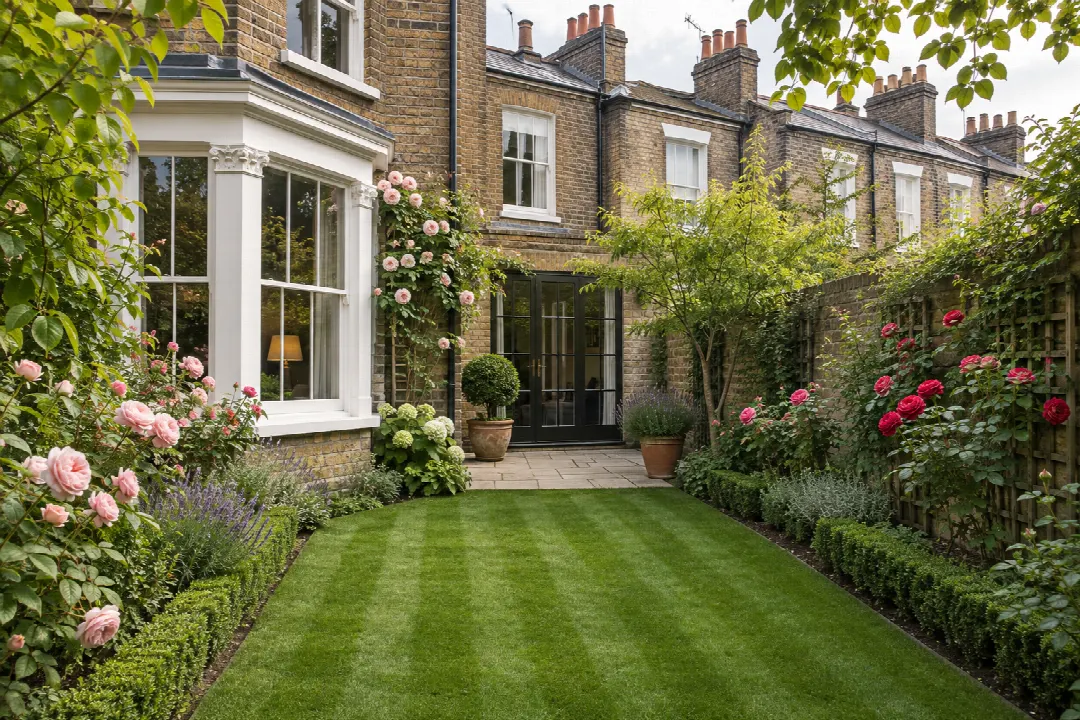
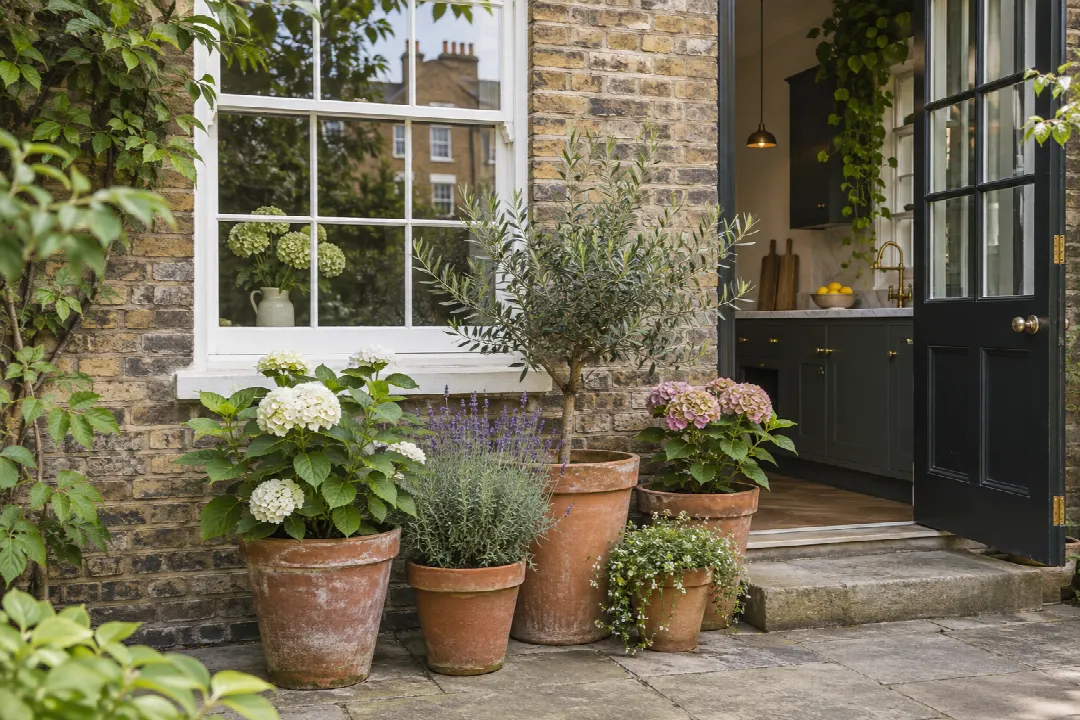
Garden structure through the seasons
Use the quieter months to plan the jobs that can wait
In the autumn, we can gather leaves along the main route and work around the planted areas you want kept as they are. If your priority is making the path clear, we can separate that job from leaf removal elsewhere. In spring, tell us whether there are bulbs at the lawn edge and whether an earlier tidy is needed to make access easier. In periods of faster growth, we can put more of a repeat appointment towards cutting and weeding.
Ask us for a quote by describing the number of areas, the state of the grass and beds, and the route into the garden. Include waste already on the plot and any work that needs to be fitted around a booked occasion. We can discuss whether the visit is best spent on the routine, a heavier seasonal job or a combination of both. If the garden changes before we arrive, a fresh photograph helps us check the time and tools we may need.
Decide where to start when growth takes over
| Area | Starting job | Decision once it is clear |
|---|---|---|
| Garden route into the patch | Open the agreed way through | Which sections can be reached with tools |
| Shrubs mixed with heavier growth | Identify stems and planting to keep | Whether another pruning visit makes sense |
| Space with several piles of cuttings | Sort the agreed green material | What can stay and what needs collection |
Describe a seasonal appointment for the quote
| Job | Details we need | Why it matters |
|---|---|---|
| Leaf clearance after the main fall | Which paths and steps to include | Time needed on hard surfaces |
| Bed care before the main growth period | Dormant plants and previous photos | Working room around bulbs and crowns |
| Hedge work during a routine visit | Reachable faces and amount of growth | Whether a longer booking is needed |
Frequently asked questions
Could we keep the first few visits shorter while we decide how much care we need?
Yes. Tell us which jobs are essential and which can wait. We can agree a first set of tasks and review the time needed once we know the garden.
How will you mark an area left uncut because the ground is soft?
We can point it out during the visit and explain why we left it. If you are away, we can agree how you would like us to report the areas covered and any work that needs reconsidering.
Can you keep the hedge dense near our seating and cut back its other end?
We can discuss those parts separately. Show us where you need the screen and where the growth is in the way so we can agree the work on each end.
Is there room in a maintenance visit to clear underneath the shrubs as well?
That depends on what is below them and how easily it can be reached. Tell us if you want weeds, leaves or older material removed so we can estimate the time alongside the regular jobs.
Can we book leaf clearance without changing our normal mowing arrangement?
Yes. Let us know which areas are affected and what you want done with the leaves. We can discuss an additional appointment or a longer visit on your usual day.
Get a garden care quote for Hornsey
Tell us how the garden changes over the year and which jobs come back most often. Include a view of the lawn edge, the tallest planting and the access to the garden so we can discuss a practical first visit.